
Window Shades for Retail Stores in Bowling Green KY: A Complete Guide for Local Businesses

Choosing the right window treatments for a retail business involves more than finding a shade that fits the window. Retail environments have unique needs, including controlling sunlight, protecting merchandise, maintaining comfortable indoor temperatures, and providing a professional appearance for customers. The right window shades can help business owners address these challenges while supporting the daily operations of their stores.
For business owners exploring window shades for retail stores in Bowling Green KY, understanding the different materials, opacity levels, operating systems, and installation options is an important first step. From storefront windows exposed to direct afternoon sunlight to interior spaces requiring greater privacy, commercial window shades can be customized to meet the needs of different retail environments.
At Guyer Shade Pros, we help businesses throughout the greater Bowling Green, Kentucky, area find practical, attractive window treatment solutions. Our selection includes roller shades, solar shades, cellular shades, Roman shades, natural shades, layered shades, sheer shades, blinds, plantation shutters, and exterior shades.
Whether you operate a boutique, specialty shop, showroom, or larger retail establishment, professionally selected window shades can make a meaningful difference in how your space functions.
Why Window Shades Matter for Retail Businesses in Bowling Green
Retail storefronts often feature large windows designed to provide visibility into the business. While these windows allow natural light to enter, they can also create challenges that affect customers, employees, and merchandise.
Installing window shades for retail stores in Bowling Green KY gives business owners greater control over the amount of sunlight entering their spaces without necessarily eliminating natural light.
Managing Direct Sunlight and Glare
Direct sunlight can create uncomfortable glare on checkout screens, computer monitors, digital displays, and other equipment used throughout a retail store.
Depending on the building's orientation, certain windows may receive intense sunlight during specific times of day. West-facing storefronts, for example, can experience particularly strong afternoon sun.
Solar shades and light-filtering roller shades help reduce glare while maintaining a comfortable level of natural illumination.
For retail businesses that depend on electronic point-of-sale systems or digital displays, proper glare management can make everyday tasks easier for employees.
Protecting Merchandise From Sun Exposure
Prolonged exposure to sunlight can contribute to fading and deterioration in certain retail products.
Clothing, upholstery, artwork, printed materials, and other light-sensitive merchandise may be affected by ultraviolet radiation and visible light over time.
Commercial window shades can help limit this exposure by reducing the amount of sunlight reaching display areas.
Although no window treatment can guarantee complete protection against fading, selecting appropriate shade materials can reduce unnecessary exposure.
Supporting Comfortable Indoor Temperatures
Large storefront windows can contribute to unwanted solar heat gain, particularly during Kentucky's warmer months.
When sunlight enters through untreated glass, it can increase temperatures near windows and create uneven conditions throughout the store.
Certain window shades help reduce incoming solar heat, potentially supporting more consistent indoor comfort.
Cellular shades, solar shades, and other carefully selected window treatments can be useful for businesses seeking better control over sunlight and temperature.
Maintaining a Professional Appearance
Window treatments are also an important functional component of a commercial interior.
Consistent shade styles, coordinated materials, and properly fitted installations can create a more uniform appearance throughout a retail space.
For stores with multiple front-facing windows, matching shades can provide a clean, organized presentation while allowing employees to adjust sunlight as needed.
Best Types of Window Shades for Retail Stores
Selecting window shades for retail stores in Bowling Green KY requires considering the specific conditions of each business.
Different shade styles provide different combinations of light control, privacy, visibility, insulation, and operation.
Guyer Shade Pros offers several options that can be appropriate for commercial retail applications.
Solar Shades for Storefront Windows
Solar shades are among the most practical options for retail businesses with large windows.
These shades are designed to reduce glare and solar exposure while allowing varying degrees of outward visibility.
Solar shade fabrics are available in different openness factors, which describe how much of the fabric consists of open space.
Common openness factors include:
1% openness: Provides substantial glare reduction and greater daytime screening, with limited outward visibility.
3% openness: Offers a balance between sunlight reduction and visibility.
5% openness: Allows more outward visibility while still reducing some glare.
10% openness: Preserves greater visibility but generally allows more sunlight to pass through.
The appropriate openness factor depends on window orientation, lighting conditions, and the level of visibility desired.
For example, a retail store with west-facing windows may benefit from a tighter solar shade fabric than a business with windows receiving less direct sunlight.
Solar shades are particularly useful in boutiques, furniture showrooms, specialty stores, and businesses with merchandise displayed near windows.
It is important to remember that solar shades generally do not provide complete nighttime privacy when interior lights are on.
Roller Shades for Versatile Light Control
Roller shades offer a straightforward solution for commercial spaces requiring dependable operation and a clean appearance.
They consist of fabric that raises and lowers around a roller mechanism, allowing business owners to adjust coverage throughout the day.
Roller shades are available in several fabric categories, including light-filtering, room-darkening, and blackout materials.
Light-filtering fabrics allow some natural illumination into the space while reducing direct sunlight.
Room-darkening fabrics provide greater light reduction, while blackout fabrics block light passing directly through the material, although light may still enter around the edges.
Retail businesses may use roller shades in storefronts, fitting rooms, stockrooms, employee offices, and checkout areas.
Their simple design also makes them suitable for locations with several windows requiring a consistent appearance.
Cellular Shades for Insulation and Comfort
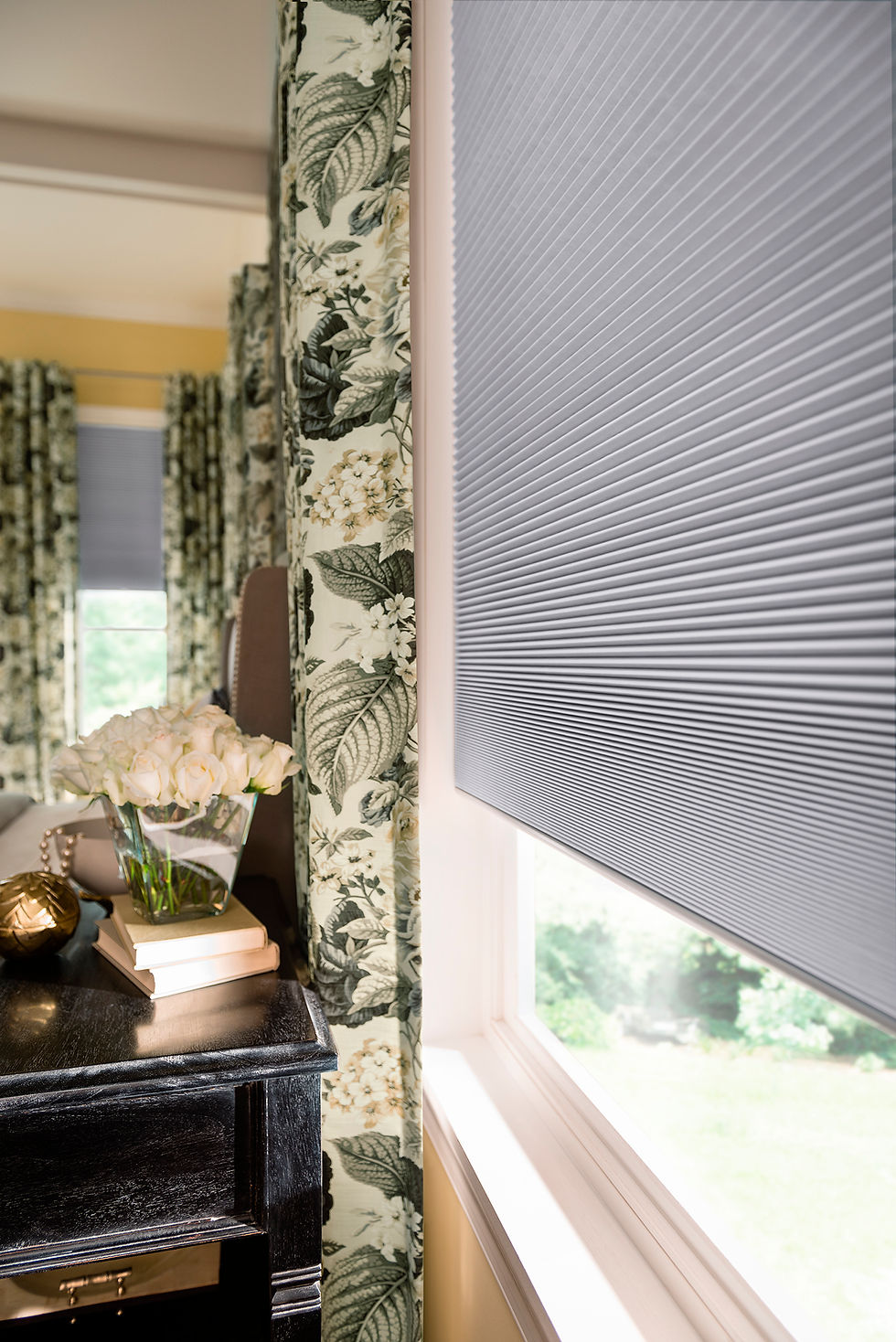
Cellular shades feature a distinctive honeycomb construction that creates air pockets within the material.
These pockets can help reduce heat transfer through windows, making cellular shades a useful option for businesses concerned about indoor comfort.
When comparing window shades for retail stores in Bowling Green KY, cellular shades deserve consideration for spaces where insulation and privacy are important.
They may be particularly appropriate for smaller storefronts, private consultation areas, administrative offices, or retail locations with windows that experience significant temperature fluctuations.
Cellular shades are available in different cell sizes, fabric opacities, and operating configurations.
Some options also provide top-down and bottom-up operation, allowing the shade to cover selected portions of a window.
This flexibility can be valuable in commercial spaces where natural light is desirable but direct views into certain areas should be limited.

Roman Shades for Boutiques and Specialty Retailers
Roman shades combine fabric construction with a folding design that creates horizontal sections when raised.
They can provide a more tailored appearance than some other shade styles while still offering functional light control.
For boutiques, jewelry stores, specialty retailers, and appointment-based showrooms, Roman shades may be suitable where fabric texture and a coordinated presentation are priorities.
Fabric selection plays an important role in their performance.
Lighter fabrics can diffuse sunlight, while lined or heavier materials can provide increased privacy and light reduction.
Because Roman shades form fabric folds when raised, business owners should consider the amount of stacking space required above the window.
Professional measurements help determine whether the available mounting area will accommodate the selected style.
Layered Shades for Adjustable Privacy
Layered shades feature alternating sections of sheer and opaque fabric.
By adjusting the position of these sections, users can change the amount of light entering the space without necessarily raising the entire shade.
This design offers flexibility for retail businesses that experience changing lighting conditions throughout the day.
Layered shades can be particularly useful in reception areas, smaller retail shops, and spaces where both privacy and natural light are important.
They provide an alternative to traditional roller shades for businesses seeking more control over the relationship between filtered light and window coverage.
Sheer Shades for Softened Natural Light
Sheer shades use translucent materials to diffuse incoming sunlight.
Depending on the design, they may include adjustable fabric vanes that provide additional light control.
These shades can be useful in retail environments where harsh direct sunlight needs to be softened without making the interior feel excessively dark.
However, sheer shades are not appropriate for every commercial application.
Businesses requiring substantial nighttime privacy or strong room darkening may need a different material or operating system.
Choosing Shades Based on Your Retail Store's Layout
Not every window within a retail business serves the same purpose.
When evaluating window shades for retail stores in Bowling Green KY, it is helpful to divide the building into functional areas and determine what each window needs to accomplish.
Front Storefront Windows
Front-facing windows often serve as an important source of natural light and visibility.
Business owners may want customers to see into the store while reducing glare on merchandise and checkout equipment.
Solar shades are often worth considering for these applications because certain fabrics maintain outward visibility while reducing sunlight.
The shade's openness factor, fabric color, and mounting position all influence the final result.
A professional consultation can help determine how much coverage is appropriate without unnecessarily obstructing storefront visibility.
Merchandise Display Areas
Retail merchandise positioned near windows may receive prolonged sunlight exposure.
For stores selling clothing, textiles, furniture, or other light-sensitive products, limiting excessive sun exposure can be an important consideration.
Solar shades and light-filtering roller shades may help reduce the intensity of sunlight reaching these areas.
The best choice depends on how much natural light the store needs and how sensitive the merchandise is to exposure.
Checkout Counters and Customer Service Desks
Checkout areas frequently contain computer monitors, payment terminals, and other electronic equipment.
Sunlight reflecting off these surfaces can make screens difficult to read.
Roller shades or solar shades positioned near checkout stations can help control glare during peak sunlight hours.
For businesses with windows facing multiple directions, separate shade controls may provide greater flexibility.
Fitting Rooms and Private Consultation Spaces
Some retail environments require greater privacy in specific areas.
Clothing boutiques, specialty fitting locations, and businesses offering private consultations may need window treatments that prevent unwanted visibility.
Room-darkening roller shades, cellular shades, or other opaque materials may be appropriate.
Privacy requirements should be evaluated under both daytime and nighttime lighting conditions.
Stockrooms and Employee Areas
Windows in storage rooms, offices, and employee spaces may require different treatments than storefront windows.
In these areas, privacy, light reduction, and straightforward operation may be more important than maintaining exterior visibility.
Roller shades and cellular shades can provide practical solutions depending on the conditions of the space.
Solar Shades vs. Roller Shades for Bowling Green Retail Stores
Two of the most common options for commercial windows are solar shades and roller shades.
Although solar shades are technically a type of roller shade, the distinction generally refers to the fabric's performance.
Understanding the difference can help business owners choose window shades for retail stores in Bowling Green KY that meet their operational needs.
When Solar Shades Are the Better Choice
Solar shades are particularly useful when a business wants to reduce glare without completely blocking the view through the window.
They may be appropriate for storefronts with large glass areas, businesses overlooking busy commercial streets, or spaces that benefit from natural daylight.
The degree of visibility depends on fabric openness, color, and lighting conditions.
When Light-Filtering Roller Shades Are Preferable
Light-filtering roller shades are often appropriate when businesses want softened daylight without maintaining a clear view through the fabric.
These shades can reduce direct visibility while creating more consistent indoor illumination.
They may be useful in private offices, consultation rooms, and retail areas where customers do not need an unobstructed view outside.
When Blackout Roller Shades Make Sense
Blackout roller shades may be useful in spaces where strong light reduction is necessary.
Examples include areas with projection equipment, specialized displays, or merchandise requiring additional protection from light exposure.
Because blackout fabric can substantially darken a space, it may not be the preferred choice for an entire storefront.
Instead, it can be installed selectively in areas with specific lighting requirements.
How Window Orientation Affects Shade Selection
Bowling Green retail buildings experience different sunlight conditions depending on their orientation.
Understanding these differences helps determine which shade materials and opacity levels will perform best.
East-Facing Windows
East-facing storefronts receive more direct sunlight during the morning.
This can create glare during opening hours, particularly when checkout counters or merchandise displays are positioned near the windows.
Adjustable solar shades can help employees manage morning sunlight without keeping windows covered throughout the day.
West-Facing Windows
West-facing windows frequently receive strong afternoon sunlight.
During warmer months, this exposure may contribute to glare and uncomfortable temperatures near the glass.
Retail businesses with west-facing storefronts may benefit from solar shades with lower openness factors or other materials that provide greater light reduction.
South-Facing Windows
South-facing windows can receive substantial sunlight throughout the year, although the angle and intensity change seasonally.
Shade selection should account for both summer and winter conditions.
A fabric that provides adequate glare reduction during one season may perform differently as the sun's position changes.
North-Facing Windows
North-facing windows generally receive more indirect daylight than south-facing windows.
These locations may not require the same level of glare reduction.
Light-filtering materials or shades with greater openness may be sufficient, depending on surrounding buildings and site conditions.
Commercial Window Shades and Energy Efficiency
Energy performance is another consideration when choosing window shades for retail stores in Bowling Green KY.
Windows can contribute to heat gain during summer and heat loss during colder weather.
Although window shades do not replace proper insulation or efficient heating and cooling equipment, certain designs can help manage heat transfer.
Reducing Solar Heat Gain
Solar shades can reduce the amount of solar energy entering through windows.
Performance varies by fabric construction, color, openness factor, and the characteristics of the existing glass.
Retailers with extensive storefront glazing may find solar control particularly useful during periods of strong sunlight.
Improving Insulation With Cellular Shades
Cellular shades create air pockets that can help limit heat movement between the window and interior space.
The insulation benefit depends on the product's construction, fit, and installation.
For businesses with smaller windows or private office areas, cellular shades may offer a useful combination of privacy and thermal performance.
Balancing Daylight and Shade Coverage
A commercial space does not necessarily need to block all sunlight to improve comfort.
The objective is often to reduce excessive solar exposure while retaining enough daylight for normal operations.
Selecting the appropriate shade fabric can help maintain this balance.
Custom Measurements for Commercial Window Shades
Accurate measurements are essential for proper shade performance.
Commercial storefront windows may be taller, wider, or configured differently than standard residential windows.
Some buildings also feature multiple adjacent panes, recessed frames, or unusual mounting surfaces.
For these reasons, professionally measured window shades for retail stores in Bowling Green KY can provide a more dependable fit than products selected using approximate dimensions.
Inside-Mount Installation
An inside mount positions the shade within the window opening.
This configuration can create a streamlined appearance, provided the opening has adequate depth and suitable mounting surfaces.
The installer must account for hardware clearance, window handles, and any obstructions that could interfere with operation.
Outside-Mount Installation
An outside mount positions the shade above or beyond the window opening.
This approach may be useful when the window recess is too shallow or when additional coverage is desired.
Outside mounts can also help reduce light entering around the edges of the shade, depending on the fabric and mounting arrangement.
Measuring Multiple Storefront Windows
Commercial buildings frequently contain rows of windows that appear identical but have slight dimensional differences.
Measuring each opening individually helps avoid installation problems.
For wide windows, the weight and size of the shade should also be considered when selecting hardware and operating mechanisms.
Accommodating Unusual Window Sizes
Oversized storefront windows may require specialized shade systems or multiple shades installed side by side.
The appropriate solution depends on product specifications, mounting conditions, and operating preferences.
A professional evaluation helps determine which configurations are practical for the building.
Manual and Motorized Window Shade Options
Operating convenience is an important consideration for retail businesses.
A small store with only a few windows may have different requirements than a larger showroom with numerous shades.
Manual Window Shades
Manual shades can provide straightforward operation for smaller installations.
Depending on the product, available operating systems may include cordless mechanisms or other commercial-appropriate controls.
The operating system should be selected with accessibility, ease of use, and applicable safety requirements in mind.
Motorized Window Shades
Motorized systems allow compatible shades to raise and lower through powered controls.
Depending on the manufacturer and system, operation may be available through wall switches, remotes, or compatible automation controls.
Motorization can be especially useful for tall windows or installations with multiple shades.
Rather than adjusting every shade individually, employees may be able to control groups of windows together.
Businesses considering motorization should evaluate electrical access, power options, control compatibility, and maintenance requirements.
Product availability and operating features should be confirmed during the selection process.
Choosing an Operating System
When deciding between manual and motorized shades, consider how frequently adjustments will be needed.
A storefront exposed to changing sunlight throughout the day may benefit from convenient controls.
A storage room with a shade that remains in the same position most of the time may not require the same level of functionality.
Exterior Shades for Retail Businesses
Interior window shades are not the only option for managing sunlight.
Exterior shades can provide another approach by reducing sunlight before it passes through the window.
For some businesses evaluating window shades for retail stores in Bowling Green KY, exterior shade systems may be worth considering.
How Exterior Shades Work
Exterior shades are installed outside the building and use materials designed for outdoor conditions.
Depending on the system, they can help reduce direct sunlight and glare entering through glass.
Because exterior shades intercept sunlight before it reaches the interior, they may offer useful solar-control benefits.
Applications for Commercial Buildings
Exterior shades may be suitable for certain storefront windows, commercial patios, or other approved exterior openings.
However, their suitability depends on building design, mounting conditions, exposure to weather, and applicable property requirements.
Retailers leasing commercial space should confirm whether exterior modifications are permitted before proceeding.
Interior vs. Exterior Shade Selection
Interior shades generally provide convenient access and a broad range of fabric options.
Exterior shades may offer additional solar control but require materials and installation systems appropriate for outdoor exposure.
A professional assessment can help determine whether interior shades, exterior shades, or a combination of both makes sense.

Window Shade Materials and Maintenance for Retail Environments
Retail window treatments may experience frequent operation and regular exposure to dust, sunlight, and indoor activity.
Material selection should account for these conditions.
Choosing Durable Fabrics
Commercial shades should be selected with their intended usage in mind.
Some fabrics are designed for easier cleaning or greater resistance to wear than others.
Solar screen fabrics, for example, may be appropriate for high-use storefront applications, while certain decorative fabrics may require more careful maintenance.
Product specifications should be reviewed to determine whether a material is suitable for the intended commercial environment.
Cleaning Roller and Solar Shades
Many roller and solar shade fabrics can be maintained through periodic dust removal and manufacturer-approved cleaning methods.
However, cleaning instructions vary by material.
Some fabrics tolerate gentle spot cleaning, while others require specialized care.
Using unsuitable cleaning products can damage coatings or affect fabric appearance.
Maintaining Operating Components
Regular inspection of shade hardware can help identify operating issues before they become more significant.
Business owners should watch for uneven movement, damaged components, or shades that no longer raise and lower smoothly.
Motorized systems may also require occasional maintenance according to manufacturer instructions.
Planning for Long-Term Use
Selecting durable hardware and appropriate fabrics can help reduce unnecessary replacements.
For businesses with multiple windows, choosing consistent systems may also simplify future maintenance.
Window Shades for Different Types of Retail Stores in Bowling Green
Different retail businesses have different priorities when it comes to window treatments.
Choosing window shades for retail stores in Bowling Green KY should begin with understanding how the business uses its windows.
Clothing Boutiques
Clothing retailers often need to balance natural light with merchandise protection.
Solar shades can help reduce direct sunlight reaching clothing displays.
Roman shades or layered shades may also be appropriate in certain areas where adjustable light filtering is desired.
For fitting rooms with exterior windows, privacy should be a primary consideration.
Furniture and Home Furnishing Showrooms
Furniture showrooms may contain upholstery, wood products, and other materials that can be affected by prolonged sunlight exposure.
Solar shades can help manage glare and reduce exposure near large showroom windows.
For private design consultation areas, roller or cellular shades may provide additional privacy.
Jewelry and Specialty Stores
Jewelry stores and specialty retailers may need to control reflections on glass display cases.
Adjustable solar or roller shades can help reduce direct sunlight entering the display area.
The ideal fabric depends on the amount of natural light needed for product viewing.
Electronics Retailers
Electronics stores frequently use screens and illuminated displays.
Strong sunlight can interfere with screen visibility and create reflections.
Solar shades or light-filtering roller shades can help manage these conditions while preserving some natural daylight.
Retail Businesses With Customer Consultation Areas
Some stores include dedicated spaces for appointments, product demonstrations, or private discussions.
These areas may benefit from window treatments that offer greater privacy than those installed at the storefront.
Cellular shades, opaque roller shades, and certain layered shades can be useful depending on the layout.
Common Mistakes to Avoid When Selecting Commercial Window Shades
Choosing commercial window treatments without evaluating the building's specific needs can lead to disappointing results.
Business owners should be aware of several common mistakes.
Selecting Fabric Based Only on Appearance
Two shades with similar colors may perform very differently.
Fabric openness, opacity, thickness, and construction influence glare reduction, privacy, and light transmission.
A fabric sample should be evaluated for performance as well as appearance.
Overlooking Nighttime Privacy
Some solar and sheer fabrics provide daytime screening but allow people outside to see into a brightly lit store at night.
Businesses requiring privacy after closing should select materials that address nighttime visibility.
Ignoring Window Orientation
Using the same fabric on every window may not provide consistent results.
A west-facing storefront may require stronger solar control than a north-facing office window.
Shade selection should reflect the actual sunlight conditions.
Choosing the Wrong Mounting Configuration
Improper mounting can create unnecessary light gaps, interfere with window hardware, or prevent smooth operation.
Accurate measurements and appropriate installation methods are essential.
Failing to Consider Daily Operation
A shade may provide excellent light control but still be inconvenient if employees cannot adjust it easily.
Operating height, shade size, and frequency of use should all influence the final selection.
Why Professional Window Shade Installation Matters
Professional installation can make a significant difference in the appearance and performance of commercial window treatments.
For businesses investing in window shades for retail stores in Bowling Green KY, proper measurements, hardware selection, and mounting are essential.
Accurate Fit and Alignment
Commercial windows often require careful measurement to achieve consistent results.
Professional installers can evaluate the opening, identify potential obstructions, and recommend appropriate mounting configurations.
This is particularly important when several shades must align across a large storefront.
Appropriate Hardware Selection
Large or frequently operated shades require hardware suited to their dimensions and weight.
Using compatible components helps support smooth operation and dependable performance.
Proper Functionality
A correctly installed shade should operate smoothly without rubbing against surrounding surfaces or interfering with nearby fixtures.
Installation also provides an opportunity to verify that the selected controls function as intended.
Commercial Safety Considerations
Commercial window treatments should be evaluated for applicable building, fire-safety, accessibility, and product requirements.
Depending on the setting, factors such as flame-resistance specifications, operating controls, and installation clearances may need consideration.
Business owners should confirm any requirements that apply to their particular property and intended use.
Serving Retail Businesses Throughout Greater Bowling Green, Kentucky
Guyer Shade Pros provides window treatment solutions for customers throughout the greater Bowling Green area.
Local retail businesses may encounter different window conditions depending on their building's age, design, and location.
For example, storefronts along busy commercial corridors may feature extensive glass, while smaller shops may have a combination of front display windows and private interior spaces.
Retail locations near Scottsville Road, Campbell Lane, Nashville Road, and downtown Bowling Green may have different shade requirements based on window orientation, available mounting space, and the layout of their businesses.
Rather than selecting one window treatment style for every application, it is important to evaluate the actual conditions of each location.
Window Treatments for Downtown Bowling Green Businesses
Downtown retail buildings may have distinctive window dimensions or architectural features that affect shade installation.
Custom measurements can help determine whether inside-mounted or outside-mounted systems are appropriate.
Solar shades, roller shades, and other low-profile treatments may provide practical solutions for storefront windows.
Window Shades for Larger Commercial Retail Spaces
Larger retail buildings may contain numerous windows requiring coordinated shade coverage.
These projects can benefit from consistent fabric selections, careful measurements, and operating systems selected for frequent use.
For wide or tall windows, specialized hardware may be necessary.
Solutions for Smaller Shops and Specialty Retailers
Smaller businesses often need window treatments that provide multiple benefits within a limited space.
A single shade may need to reduce glare, protect merchandise, and provide privacy after business hours.
Selecting the right fabric and opacity can help meet these overlapping needs.
How to Choose the Right Commercial Window Shades
Before purchasing window shades for retail stores in Bowling Green KY, business owners should identify their most important requirements.
A practical selection process begins with examining the windows and understanding how the space operates.
Step 1: Identify the Primary Problem
Determine whether the main concern is glare, excessive sunlight, privacy, temperature control, or a combination of these issues.
The primary objective will help narrow the available shade options.
Step 2: Evaluate Each Window
Consider the direction each window faces, the amount of sunlight it receives, and whether merchandise or equipment is positioned nearby.
Different windows may require different fabrics.
Step 3: Compare Shade Materials
Review solar fabrics, light-filtering materials, room-darkening options, and insulating designs.
Consider both daytime and nighttime performance.
Step 4: Determine Operating Preferences
Decide whether manual operation will be sufficient or whether compatible motorized controls would provide greater convenience.
The number and height of the windows should influence this decision.
Step 5: Schedule Professional Measurements
Accurate measurements help determine which shade systems will fit properly.
A professional consultation can also identify installation considerations that may not be obvious during an initial evaluation.
Step 6: Request a Customized Quote
Once the appropriate shade styles, materials, and configurations have been selected, request a quote based on the actual project requirements.
This provides a clearer understanding of the proposed products and installation.
Frequently Asked Questions About Retail Store Window Shades
What are the best window shades for a retail storefront?
Solar shades and roller shades are often strong options for storefront windows because they offer adjustable light control and a relatively streamlined appearance.
However, the best choice depends on window orientation, privacy requirements, and the type of merchandise displayed.
Can window shades help protect retail merchandise from fading?
Yes. Certain window shade fabrics can reduce sunlight and ultraviolet exposure, which may help limit fading.
The level of protection depends on the material and the amount of light entering the space.
No shade can guarantee that merchandise will never fade.
Are solar shades suitable for large commercial windows?
Many solar shade systems are designed for larger windows, but maximum dimensions vary by manufacturer and operating system.
Oversized windows may require specialized hardware or multiple shades.
Do commercial window shades provide nighttime privacy?
Some do, but not all.
Solar shades and sheer materials may allow visibility into a brightly lit store at night.
Opaque roller shades, room-darkening fabrics, and certain cellular shades generally provide greater privacy when fully lowered.
Can different shade styles be installed throughout the same retail building?
Yes. A business may use solar shades at the storefront, cellular shades in an office, and room-darkening roller shades in a private consultation area.
Choosing shades based on the needs of each space can provide better functionality than using one style throughout the building.
Are custom window shades better than standard-size products?
Custom shades can be particularly valuable for commercial windows with unusual dimensions or specific mounting requirements.
They allow business owners to select materials, measurements, and operating systems suited to the building.
How much do commercial window shades cost in Bowling Green?
Pricing varies based on window dimensions, fabric selection, operating system, hardware requirements, and installation complexity.
A customized quote is the most reliable way to determine the cost of a specific project.
How do I know which shade fabric is right for my store?
Start by identifying whether glare reduction, privacy, insulation, or merchandise protection is the priority.
A professional consultation can help compare fabric samples and determine which materials are suitable for your windows.
Schedule a Commercial Window Shade Consultation With Guyer Shade Pros
Finding the right window shades for retail stores in Bowling Green KY starts with understanding the needs of your business.
Whether you are looking to reduce glare across large storefront windows, limit sunlight exposure near merchandise displays, improve privacy in customer consultation areas, or manage indoor comfort, Guyer Shade Pros can help you explore available window treatment options.
We offer a range of products, including roller and solar shades, cellular shades, Roman shades, natural shades, layered shades, sheer shades, blinds, plantation shutters, and exterior shades.
Our team serves the greater Bowling Green, Kentucky, area and can help you compare window treatment styles, materials, and configurations for your commercial space.
Schedule a complimentary on-site consultation to discuss your retail store's windows and receive a customized quote based on your specific needs.
Call (270) 535-6356 or visit https://www.guyershadepros.com/window-treatment-blog to get started.
Discover how professionally selected window shades can help create a more comfortable, functional, and welcoming retail environment for your Bowling Green business.


Comments