
Blackout Shades for Scottsville, KY Homes

Before you replace a shade that leaves your bedroom too bright, look at where the light shows up. A glowing panel points to the fabric. A bright stripe on the wall points to the fit. A thin line across the sill may come from the bottom rail stopping short. Those problems call for different fixes. If you’re shopping for blackout shades in Scottsville KY, it helps to know what you want to block, when it bothers you, and where it gets through.
Guyer Shade Pros serves the greater Bowling Green area, including Scottsville, Kentucky. For a Scottsville home facing a streetlight, the priority might be covering one side of a bedroom window. In a home elsewhere in Allen County with an open eastern view, early sun might brighten two windows at once. An in-home consultation gives you a chance to look at the windows together and choose a treatment that addresses the light you notice.
Follow the Light Before You Choose a Shade
When the Entire Shade Glows
Close your current shade at the time the room usually feels too bright. If you can see the outline of the window through the middle of the material, the fabric itself is letting light through. An opaque fabric or a shade with a blackout backing can make a difference across that entire surface. Looking at a sample against bright glass will tell you more about how it handles light than holding it flat against a sample book.
When comparing blackout shades in Scottsville KY, ask what the fabric designation covers. Some collections group several fabrics under the label “room darkening,” and individual fabrics can vary in how much light they transmit. A pale fabric can have an opaque backing, so you can keep a lighter color facing the room even if you want substantially less light through the panel. Ask to see the front and back of the exact material in your quote.
When Light Appears Around the Edges
A thin strip of light down the side of an otherwise dark shade usually comes from clearance. An inside-mounted shade needs room to move within the frame. With some roller systems, the fabric also ends short of the brackets. The gap can look modest at the opening and still cast a bright stripe on a nearby wall. Viewed from bed or a favorite chair, even a narrow stripe can sit squarely in your line of sight.
For blackout shades in Scottsville KY where edge light is the main problem, pay attention to the width of the fabric and the space around the hardware. Ask where the fabric will land relative to the edge of the glass. A wider outside mount may cover more of that path. Compatible side channels may offer closer coverage if the selected system and opening can accommodate them. If you already like the darkness of the existing fabric, the mounting discussion may matter more than switching fabric collections.
When the Top or Bottom Is the Brightest Spot
Light above a roller shade can show up as a wash across the ceiling. The amount of light you see depends partly on where the roll sits, how far the fabric projects, and the shape of the recess. Ask whether a cassette or other compatible top treatment helps cover that gap. Some headrail covers mainly hide the hardware, so have your consultant explain how the selected assembly sits against your window.
At the bottom, look for a raised sill, a handle, or a lock that prevents the shade from reaching the position you want. Note whether the bright area stretches across the whole window or appears just at one corner. A sill can look level from across the room and still leave a little opening at one end. Tell your consultant if the window you’re concerned about is one you open regularly. The rail needs a clear route down, and you still need to reach the window hardware when the shade is raised.

Choose the Amount of Darkness the Room Needs
Bedrooms That Face the Morning Sun
A bedroom with east-facing glass may need its strongest light control before you’re ready to open the shade. Show your consultant where the bed sits relative to the opening, especially if a stripe of light crosses the pillow or falls on the opposite wall. A wider overlap on the exposed side of the window or better coverage along the sill may make more difference than adding features to every shade in the room.
If you’re selecting blackout shades in Scottsville KY for a main bedroom, decide what you want the first few minutes of the morning to look like. You might keep the shade fully closed until you’re ready to lift it. If two windows sit apart, separate controls let you open the less sunny window first. You can keep the window receiving direct sun covered while bringing some daylight into the room from the other side.
Rooms You Need to Darken During the Day
A room used for daytime sleep has to handle stronger light than a room that only needs to stay dark after bedtime. Evaluate the window in full daylight. Pay special attention to a second opening, such as a narrow window near the corner, that can keep the room bright even after the main window is covered. If a tall window and a small companion window share a room, they may need different brackets or different mounting depths to achieve similar coverage.
When choosing blackout shades in Scottsville KY for daytime sleep, say which hours matter most. A morning sunbeam might come in at an angle from one side, while afternoon sun reaches the same room through a separate opening. Check from the bed after lowering the existing treatments. That view helps you distinguish between a window that lights up the room and a window whose brightness is largely out of sight.
TV Rooms and Multipurpose Rooms
The brightness you notice on a TV usually depends on where the windows sit relative to the screen. A window behind the sofa can appear as a reflection right across the picture. A window beside the TV might be distracting because it’s brighter than the screen, even when the picture itself looks clear. Check both situations during the hours when you usually watch. That tells you which shade to close first and how much darkness you need from the others.
For a multipurpose room, blackout shades in Scottsville KY can be specified for the opening that causes the biggest problem. A shade with separate control lets you close that window for afternoon viewing and raise it once you’re finished. If two windows contribute equally, consider how you’ll operate them while seated. Independent controls give you flexibility. A compatible group control may be convenient if the shades almost always move together.
Compare Blackout Roller, Cellular, and Roman Shades
Roller Shades for a Flat Fabric Panel
A blackout roller shade brings a single sheet of opaque fabric down over the window and winds it around a tube when raised. The lower edge is defined by a bottom bar. Some assemblies leave the roll visible while others house it in a cassette. Start by deciding how close you want the fabric to sit to the glass. The same material can behave differently when it comes down near the frame versus when it projects farther into the room.
If you’re considering roller blackout shades in Scottsville KY, ask whether the quoted width refers to the whole assembly or the fabric alone. Both measurements matter. The brackets have to fit on a stable surface, and the fabric has to reach far enough to cover the glass from the angle where you see the light. For adjoining windows, ask how wide the gap between two panels will be and where that gap will line up with the framing.
Cellular Shades for Pleated Coverage
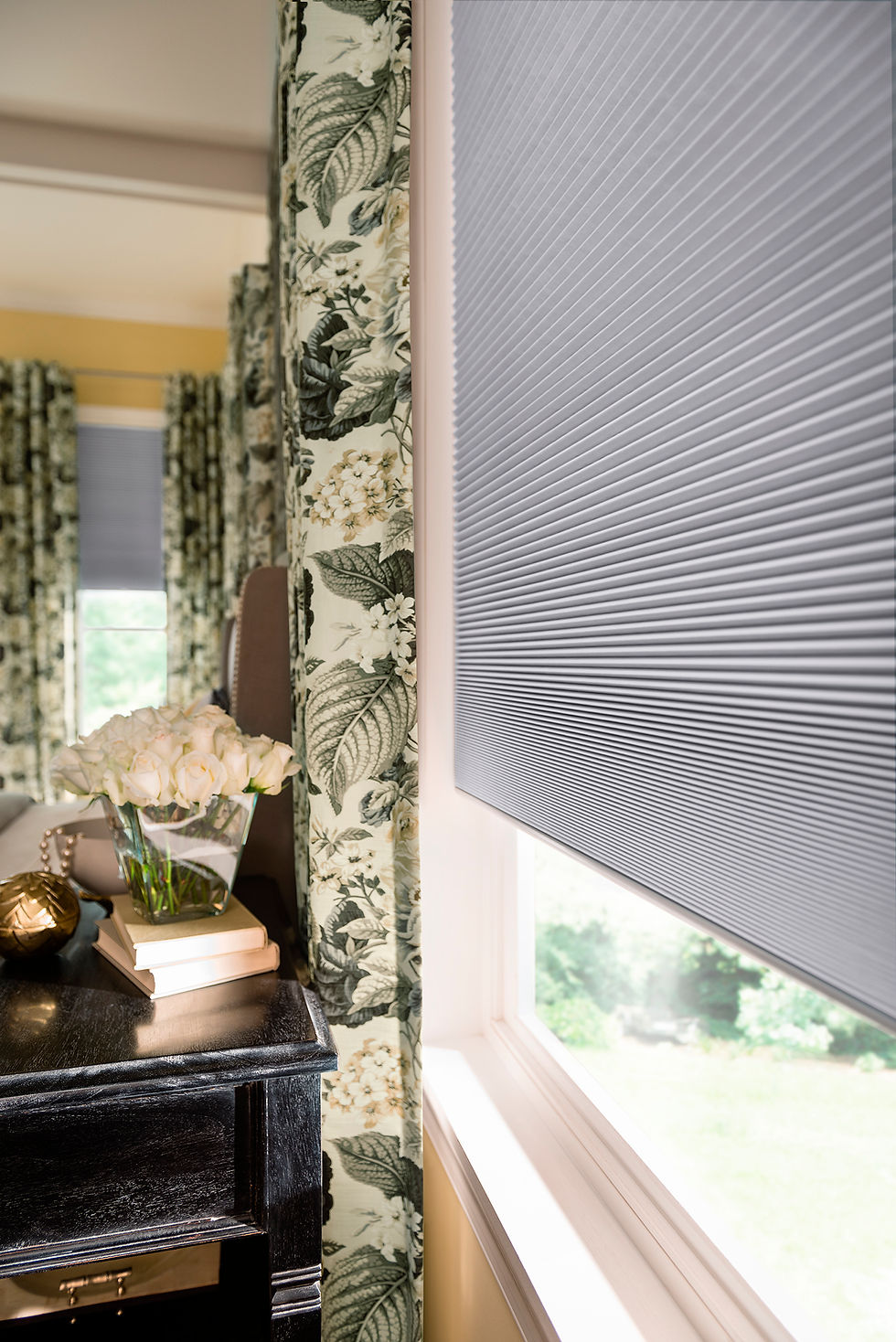
Cellular shades collapse into a pleated stack when open. Depending on the collection, a room-darkening or blackout version can have an opaque layer built into the cell. This style may appeal to you if you want darker coverage and like the look of a pleated shade in a trimmed opening. Compare the raised stack height as well as the lowered shade. On a short bedroom window, the stack can cover a noticeable portion of the glass during the day.
Homeowners comparing cellular and roller blackout shades in Scottsville KY can ask to see how each sample meets the edge of a frame. The profile of the rails and the distance between the fabric and glass will differ. For a deep window, one option may fit neatly within the trim. For a shallow opening, the brackets on a different style might work better in an outside mount. Comparing the whole assembly gives you clearer information than comparing fabric swatches alone.
Roman Shades With an Available Blackout Lining
Roman shades lift into folds and offer a fabric face with a different appearance from a roller or honeycomb shade. Where the collection allows, a blackout lining can help limit how much light travels through the face fabric. Ask how the lining attaches and what the finished front looks like when daylight strikes the back. Depending on the construction, light may be visible at stitch points or around the edge of the shade.
If the folded fabric hangs below the top of the frame when raised, it can reduce the amount of glass you see. Discuss the height of the folded shade if you want the whole window exposed for much of the day. In an older Scottsville home with raised or detailed casing, decide how much trim you’d like to see with the shade open and closed. Your consultant can help weigh where the folds will sit against how much coverage you want at bedtime.
Work Out the Mount Before You Place an Order
Inside Mount and the Trade-Off in Coverage
An inside mount places the hardware within the window opening and can preserve the visible casing. To see whether the opening is suitable, check the usable depth in front of locks and handles as well as the width at different heights. An opening that’s wider at the bottom can leave more clearance there once the shade is fitted to work at the narrowest point. That difference can show up as a widening stripe of light.
If you’d like inside-mounted blackout shades in Scottsville KY, show your consultant which window trim you want to keep visible and where any remaining glow would bother you. If the headboard faces the window directly, you may see both edges from where you sleep. If the opening is off to one side, light on the closest wall may be the main issue. Those details can help you decide whether you’re happy with the available inside fit.
Outside Mount and the Space Around the Frame
An outside mount lets the treatment reach beyond the recess when there’s room. Check what the shade would cross on the way down. A window next to a corner may have enough space to overlap the left side but little room on the right. A sill that projects beyond the casing can keep the bottom bar from passing in front of it. The right mounting position depends on the surface available for the brackets and the path of the fabric.
For outside-mounted blackout shades in Scottsville KY, ask your consultant to show you the proposed edges on the wall. Check those boundaries from your usual spot. If two windows share a wall, check whether the headrails and lower edges will sit at similar heights. The best visual alignment may involve adjusting the bracket positions while retaining the overlap needed for each opening.
Light Channels and Coverage at the Hardware
Some shade systems pair with channels designed to reduce light along the sides. Whether they’re practical depends on the mounting surface, the shade design, and the condition of the opening. Ask to see how the channel meets the headrail and sill. You’ll see how much of the frame it occupies and where any small openings could remain. If you use the window frequently, check that the channel placement works with handles and latches.
When comparing blackout shades in Scottsville KY with side channels, ask which components are included in the proposal and what each one does. A room can still get light around the top or bottom of a shade or through a second window. Identify those paths before adding hardware. You may find a wider outside mount does enough in one room, while a window used for daytime sleep benefits from the more closely fitted assembly.
Make It Easy to Shift Between Daylight and Darkness
A blackout fabric keeps the view covered when you lower it. If you want softer daylight for much of the day, think about how often you’ll raise the shade and how much glass you’d like exposed. In some rooms you may keep the bottom rail partway up. Other rooms may be better suited to a compatible dual-shade system with a light-filtering option for daytime and a blackout panel for stronger coverage. Ask how much mounting depth the two rollers or panels require.
When choosing controls for blackout shades in Scottsville KY, try the motion you’ll actually use. A cordless lift can suit an opening you can reach comfortably each morning. If the shade sits behind a deep surface or high above the floor, ask about motorized options and how you’d access the power source. For a pair of bedroom shades, decide whether you want to raise both from one control or keep them separate so you can manage each source of light.
The outward-facing appearance deserves a look, too. Two front windows might use different fabric opacities inside because one is in a bedroom and the other is in a living room. Compare the window-facing sides of the samples if you want both openings to look similar from the street. Ask how the headrails and rails will look through the glass. Matching the outward-facing color can help tie the windows together while giving the rooms their own light control.
Check Doors and Windows That Share a Corner
A shade that fits a single opening on paper can run into a neighboring treatment at a bay window or a tight corner. The brackets and headrails may compete for the same space even though each panel covers its own glass. Ask your consultant to show where the two rolls or rails will sit and what happens where the shades meet. A small uncovered area at a corner can be conspicuous when direct sun reaches it, especially if both shades are otherwise doing a good job of keeping the room dark.
The same kind of check helps on a bedroom door with glass. A moving door needs a shade that clears the handle and stays in the desired position when the door opens and closes. If the door swings toward an adjacent window, check the space between them with both treatments lowered. Show your consultant the door in use so they can discuss a suitable assembly and any compatible hardware for securing the lower rail.
Prepare for a Custom Shade Quote in Scottsville
Make a short list of the windows that concern you, with one sentence about each. For instance, the bedroom window beside the driveway catches a light after dark, while the family room window reflects across the television around four. A photo taken at the time you notice the problem can help your consultant place the gap or identify an adjacent opening. Include the full window in the photo when you can so the visible light has some context.
When requesting a quote for blackout shades in Scottsville KY, ask for the fabric and mount to be listed by window. A useful quote identifies the treatment style, controls, and any coverage hardware included for that opening. If you’re weighing two approaches, compare them on the same window. An inside-mounted blackout cellular shade and an outside-mounted blackout roller shade may address different priorities even if both use opaque fabric.
If you plan to tackle the work in phases, start with the openings that disrupt sleep or make a room hard to use. You can use that first round to see whether you prefer a wider shade, a more concealed headrail, or a different lift for windows you adjust often. If the next phase includes windows visible together, keep the fabric name and the color of the rail or cassette handy so you can discuss how the new shades would look alongside the first group.

Review How the Finished Shade Will Close
Before you order blackout shades in Scottsville KY, ask where the bottom rail will stop and how it will sit against the surrounding trim. If you’re choosing motorization, ask how the closed position is set and whether you can stop the shade partway up. On a hand-operated shade, try a working sample to see how the rail feels when you bring it down. A handle may change where you grip the rail and how closely it can approach the sill.
Once the shades are installed, try them at the hour when the old ones gave you trouble. Start with the room lights off and check from your usual spot. Then raise each shade and open the window as you normally would. Those two checks let you see the change in coverage and confirm the shade is easy to use.
Schedule a Complimentary In-Home Consultation
If you’re ready to compare blackout shades in Scottsville KY, schedule a complimentary in-home consultation with Guyer Shade Pros to receive a customized quote. We serve Scottsville and the greater Bowling Green area. During the visit, you can show us where light is getting through, compare fabrics at your windows, and talk through the mount and controls for each opening. Call (270) 535-6356 or visit the Guyer Shade Pros window treatment blog to schedule your consultation.


Comments