
Custom Cellular Shades in Bowling Green, KY Homes

One window catches afternoon sun right where you like to sit. Another faces the street, so you keep the blind closed even when the room could use daylight. And in the bedroom, a thin line of light through the edge of the shade is enough to wake you early. If you’re shopping for cellular shades in Bowling Green KY, those everyday details are a better starting point than a wall of fabric swatches. They tell you what each shade needs to do and where details like the lift style or mount will matter most.
Guyer Shade Pros serves the greater Bowling Green, Kentucky, area and helps homeowners choose custom shades based on how their windows open, when the sun hits them, and how much privacy the room needs. Before you choose one fabric for the whole house, look at your windows at three points in the day. A quick walk through in the morning, late afternoon, and after dark can tell you which openings need more coverage and which can stay bright.
What Makes a Cellular Shade Different?
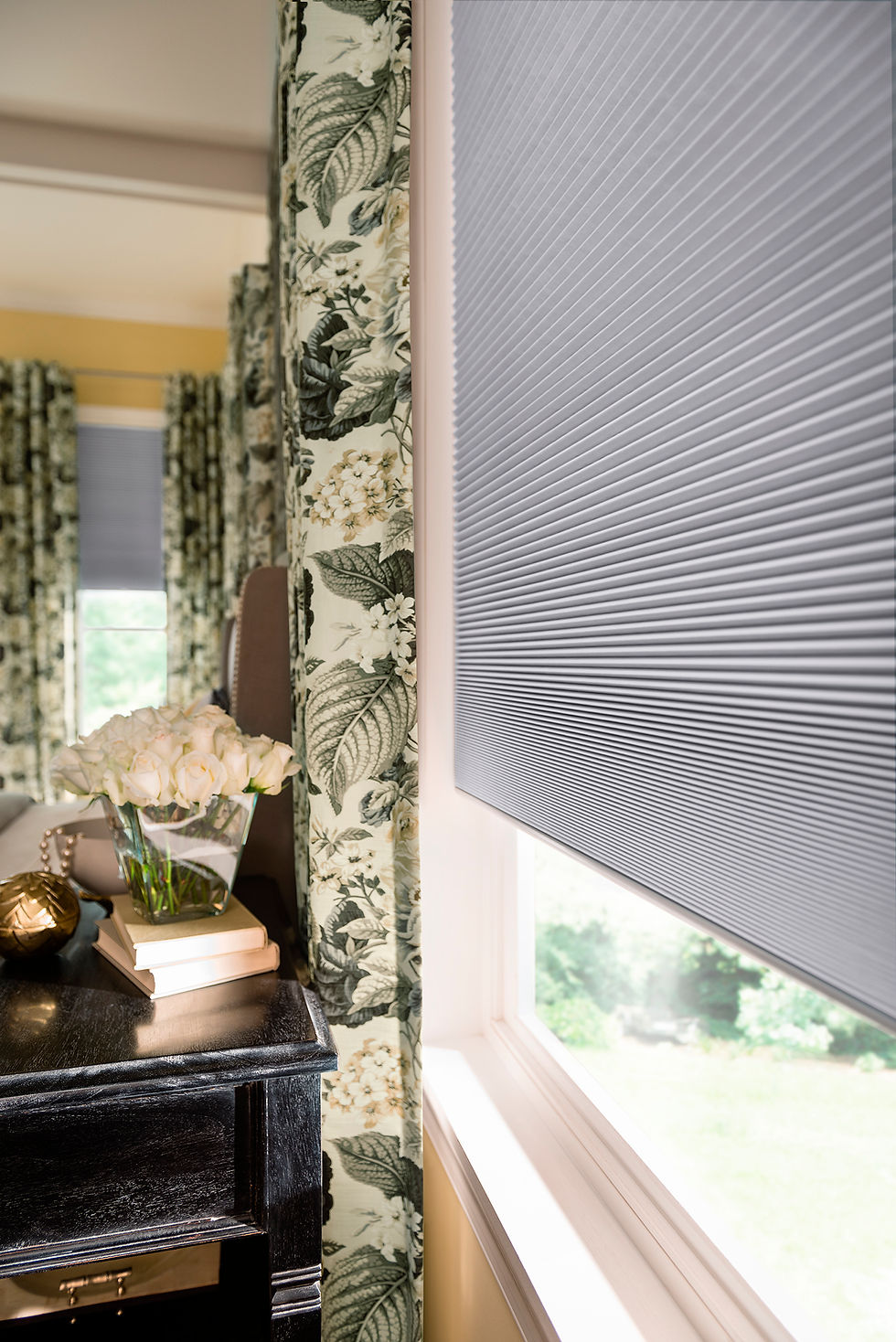
A cellular shade looks like a series of horizontal pleats from across the room. Look at it from the side and you’ll see the hollow pockets behind those pleats. The pockets resemble a honeycomb, which is why you’ll also hear these called honeycomb shades. When you lower the shade, the pockets hold air and add an insulating layer between the window and the room. When you raise it, the fabric compresses into a stack at the top of the opening.
If you’re comparing cellular shades in Bowling Green KY, ask to see the edge of each sample along with the front. A single-cell fabric has one row of pockets. A double-cell fabric has two. The extra row can improve insulation, but the size and depth of the shade, the available fabrics, and the fit at the window also influence which construction makes sense. A shallow frame that comfortably fits one product may leave another projecting into the room.
Cell Size Changes the Look and Fit
Smaller pleats can look proportionate on a narrow window beside a front door or over a sink. Larger pleats may look more balanced across a picture window, where dozens of fine horizontal lines would stand out. Seeing two cell sizes on the same window helps you judge that difference. Ask for the depth of the full headrail as well as the depth of the fabric. Those measurements tell you how the shade will sit in the opening and how much of the hardware you’ll see.
People choosing cellular shades in Bowling Green KY often have more than one window size in a single room. The main window may be fixed, while two smaller windows on either side open. You can sometimes carry the same fabric across all three and order independent shades. Use the fixed window for a clear view when you want one, and lower the shades over the two side windows as the sun moves. Check that the rails line up when the shades are closed if the windows share a sill or a continuous run of trim.
Match the Fabric to the Time of Day
Morning Light and Bedroom Darkness
East-facing bedrooms may get bright well before everyone in the house wants to wake up. A room-darkening cellular fabric helps cut that early light. Bring a sample to the window and look at the perimeter of the opening, too. Even if very little light comes through the material, it can still enter through gaps at the sides, between adjoining shades, or where the bottom rail meets an uneven sill. Those lines stand out more when the rest of the room is dark.
If sleep is your reason for buying cellular shades in Bowling Green KY, tell your consultant where the light lands and which side of the bed it reaches. An outside mount can extend the shade past the sides of the glass where there’s enough mounting space. Compatible side channels may also be worth asking about if you need closer coverage. A light-filtering shade can still work for a guest room or another bedroom where the occupants like waking to daylight.
Afternoon Glare in Kitchens and Living Rooms
A west-facing window can be pleasant at lunchtime and uncomfortable by late afternoon. Your kitchen shade may need to soften bright sunlight at the sink for a couple of hours, while the one across from the television has a more specific problem. A bright window reflected in the screen can make it hard to see even if the rest of the room feels fine. Try lowering your current covering only on the window responsible for the reflection. If that fixes the glare, give that opening its own control.
For homeowners looking at cellular shades in Bowling Green KY for kitchens or living rooms, light-filtering fabrics are a good place to start. You can get softer daylight while the shade covers the glass, then lift it to see outside. Hold the sample vertically in the window at the brightest time of day. A fabric that looks nearly white on a table can take on a warmer tone when sunlight passes through it. If several windows share a wall, see how adjacent samples look side by side with one in direct light and one in shade.
Evening Privacy on Street-Facing Windows
The same window can feel private during the day and exposed after sunset. Indoor lighting, the fabric’s opacity, and a viewer’s distance from the glass all affect what someone can see outside. Light-filtering fabrics vary in how clearly they reveal shapes. If you’re deciding between two close options, ask to see a larger sample or a working shade so you can judge how much detail is visible with light behind the fabric.
When comparing cellular shades in Bowling Green KY for a front room, consider whether passersby can see the full window or mainly its lower half. A compatible top-down/bottom-up shade can cover that lower portion while leaving glass exposed above it. That can be enough for daytime privacy on a street-facing main floor. After dark, you can close the shade completely. If the window faces a raised porch, a nearby second story, or an uphill driveway, check the view from that angle before deciding how much glass to leave open.
Plan for Summer Sun and Winter Windows
The insulating pockets work when the shade is lowered. In warmer months, if the family room grows uncomfortable when direct sun reaches its windows, try lowering the shades before that part of the afternoon. Pay attention to the windows that actually get direct sun. An opening shaded by a deep porch may be fine left uncovered while another on the same side of the house needs coverage. In cooler months, you might open sunny shades to welcome daylight, then close them when the room starts to lose warmth.
If you’re considering cellular shades in Bowling Green KY for better comfort near the glass, tell your consultant where you notice a temperature difference. A window beside a breakfast table might be the reason you avoid that seat on cold mornings. A wide living room window might be the only opening that makes the room feel warmer on sunny afternoons. Fabric, construction, coverage, and how you use the shade all affect the result. Start with the windows where you already notice a difference and choose a control you can operate easily.
If you regularly find moisture on the inside of the glass, mention it when talking about the mount and your routine. Follow the selected product’s care guidance and raise the shade periodically to check the glass where moisture tends to collect. This is also a good time to discuss where the fabric sits relative to the window. A tight recess can limit clearance behind the shade, especially when there’s a handle or an existing lock near the fabric’s path.
Decide Where the Shade Should Sit
Inside Mount for Visible Trim
An inside-mounted shade fits within the window frame, leaving the casing exposed. It can work well when you like the trim and want a compact fit. The available depth matters from front to back, especially if you want the rail to sit flush with the casing. Window handles, locks, cranks, and tilt latches can all stick into the space the shade needs. That’s worth checking on a sash you tilt inward to clean, even when the shade appears to clear it during normal opening.
When Guyer Shade Pros measures for cellular shades in Bowling Green KY, have the windows you use most in mind. Open the sash, turn the crank, or show how you reach the lock so the consultant can see what has to clear the hardware. If two windows look identical, have both checked. A trim repair, a replacement sash, or a sill that rises slightly toward one corner can change the usable opening. Accurate measurement helps the shade travel smoothly and keeps side gaps as even as the opening allows.
Outside Mount for More Overlap
An outside-mounted shade attaches to the casing or wall and can extend beyond the window opening. That extra coverage is useful where deeper darkness or privacy matters. It can also help when the frame is too shallow for the selected headrail. Look for a flat mounting surface and check where the bottom rail will come to rest. A projecting stool, uneven casing, or a corner beside the window can limit how far the shade can extend.
For outside-mounted cellular shades in Bowling Green KY, look at adjacent openings before choosing the bracket height. If two bedroom windows have slightly different trim heights, a common headrail height can make the finished shades look even from across the room. The window with less wall space above it may establish the height for both. Plan the width window by window, particularly where a wide shade would run into the corner of the room or cover a feature of the casing you want to leave visible.
One Shade or Several Across a Wide Opening?
A single shade across a broad window gives you an uninterrupted run of fabric. Dividing a group into separate shades gives you more control, especially where the fixed and operable portions have different jobs. Align the divisions with the vertical window framing where possible. The gap between shade panels is less noticeable when it lines up with a solid part of the window. If the shade needs to cover a glass door, ask about a door-suitable assembly and any hardware needed to keep the shade in place when the door moves.
Choose a Lift You’ll Use Every Day
Cordless Lift for Windows Within Reach
A cordless shade typically moves when you guide the bottom rail by hand. On a window you can walk up to, that can be a quick way to adjust the opening. Reach changes when you have to lean over a counter or reach behind a large piece of furniture. Try reaching the height where the bottom rail will rest when fully raised. If it’s a stretch, consider how often you’d be willing to make that reach to lower the shade again.
If you’re choosing cordless cellular shades in Bowling Green KY for a row of windows, think about how you’ll operate the middle shade. It may be the least accessible one, even though it’s the same height as its neighbors. A working sample lets you feel how much effort it takes to move the rail and see how much room your hand needs. Ask about the lift options available in each exact size. A control that works on a narrow side window may have different limits on a wide opening.
Top-Down/Bottom-Up for Light Above Eye Level
With this lift style, you can lower the upper rail to expose the top part of the glass and raise the bottom rail when you want the lower part open. In a bathroom, the shade can cover the portion a neighbor might see while retaining light from higher in the window. In a front office, it can keep the lower glass covered during a video call. How much daylight you retain depends on where the dividing rail sits and whether the exposed glass gets enough sun.
Homeowners comparing top-down/bottom-up cellular shades in Bowling Green KY should decide where they’d usually set the upper rail during the day. Stand at the window and use the sash or a piece of painter’s tape to mark that height. Check it from the usual seat in the room and, where practical, from outside. Use those sightlines to judge whether this lift fits the window. Ask which cellular fabrics, shade sizes, and control options are offered together in the product you’re considering.
Motorized Lift for Hard-to-Reach or Frequently Adjusted Windows
Motorization is worth discussing for tall stairwell windows, openings behind deep furniture, or groups of shades you expect to move together. Depending on the available system, a remote may be enough for day-to-day control. If you want schedules or grouped operation, ask what equipment the shade requires and how power is supplied. For a rechargeable model on a high window, look at where the charging connection will sit and how you’ll get to it.
With motorized cellular shades in Bowling Green KY, it can make sense to mix control styles in a single room. Two shades you can reach from the floor may be easy to move by hand, while a taller shade above a stair landing may warrant a motor. If the windows sit close together, compare the fabrics, rails, and stack heights across the two versions. That lets you match the visible details while choosing a lift suited to each opening.
When Another Window Treatment May Be a Better Fit
If seeing outside while the shade is down is your priority, ask to compare a solar shade sample with a light-filtering honeycomb fabric. A solar fabric can retain some daytime view through its weave, depending on the fabric and lighting. If you want to redirect light by changing the angle of slats, discuss blinds or plantation shutters. Roller shades offer a flat expanse of fabric with no pleats, while Roman and natural shades deserve a look when the folds or weave are part of what you want to see at the window.
You can still use cellular shades in Bowling Green KY as the main treatment and choose a different product where the window serves another purpose. For example, use honeycomb shades for bedrooms where coverage and light control rank first, then consider a solar shade for a window where you want to enjoy the view during the day. When both face the same street, check the appearance of each from outside. Ask whether the shades have matching or compatible outward-facing colors and how visible the headrails will be through the glass.
What Goes Into a Custom Quote?
Window count is only one part of pricing. The width and height of each opening, the fabric collection, the cell construction, and the controls all shape a quote. So can the hardware needed for a particular mount or the decision to split a wide opening into two shades. Ask for the line items by room or window. That makes it easier to see where a room-darkening fabric, a different lift, or additional coverage affects the total and lets you compare options for the same opening.
When budgeting for cellular shades in Bowling Green KY, pick the windows you would change first if you were doing the project in stages. It might be the bedroom that wakes you early and the front room where you need privacy after dark. Ask about the best fabric and mount for those openings before using them as a template for the rest of the house. If you’re hoping to carry the same fabric into a later phase, keep a record of its color and collection and ask about availability when you’re ready to order more.

What to Show Your Consultant
The same checklist works whether you’re replacing shades near downtown Bowling Green or choosing window treatments for a new house elsewhere in Warren County. If you’re replacing an existing shade, point out what you already like about it. You may want to keep the view of the casing, the height of the bottom rail, or the way neighboring shades line up. If the windows are bare, note which ones you cover temporarily and when. That’s often where the new shades will make the biggest difference.
Walk through the rooms where you want shades and point out the windows you open often, any hardware the shade needs to clear, and the exact spot where glare or outside light bothers you. If the problem only happens at a particular hour, take a quick photo from where you normally sit. Tell your consultant which shades you expect to move every day and which you’ll mostly leave in one position. That information can change which fabric or controls are worth specifying.
Bring the fabric samples to the glass, then step back to see how the shade will look from across the room. It’s also worth checking what happens when you raise a sample shade. On a short opening, the compressed fabric can account for a noticeable share of the glass. Ask how much space the finished shade will take up when open and how much of the opening will be covered when the bottom rail reaches the sill.
Schedule a Complimentary In-Home Consultation
Guyer Shade Pros serves homeowners in Bowling Green and the greater Bowling Green, Kentucky, area. If you’re ready to compare cellular shades in Bowling Green KY, schedule a complimentary in-home consultation to receive a customized quote. You can compare light-filtering and room-darkening fabrics at your own windows, review lift options, and talk through the mount for each opening. Call (270) 535-6356 or visit the Guyer Shade Pros window treatment blog to schedule your consultation.


Comments