
Window Shades for Conference Rooms in Bowling Green, KY

The conference room looks bright and welcoming until someone pulls up a spreadsheet and the numbers disappear behind a reflection. The person leading the meeting lowers every shade, and suddenly a room with a good view of downtown Bowling Green feels closed in. That daily adjustment tells you a lot about what to buy. One window may need a tighter solar fabric. Another may simply need its own control so its shade can stay up.
Guyer Shade Pros helps businesses compare window shades for conference rooms throughout the greater Bowling Green, KY, area. The right choice depends on what people do in the room, how the glass is arranged, and when sunlight gets in the way. A training room that relies on a projector may need a darker treatment than a small meeting room used for video calls. A conference room with windows along two walls may need different settings for each side. Start with the moments that cause people to reach for the shades.
Watch How Daylight Moves Through the Room
Check the Seats People Actually Use
Before choosing window shades for conference rooms, sit at the head of the table, directly across from the windows, and near the room’s usual live presentation spot. Which seats have a direct view of the glass? Which ones pick up a reflection on the display? Ask regular users whether the same problem comes up during early meetings and late afternoon sessions.
An east-facing room in Bowling Green may need extra control during a morning staff meeting. A west-facing room can feel comfortable through lunch before the afternoon sun shines across the table. Nearby buildings, trees, and overhangs can change that pattern from one window to the next. A small conference room off Scottsville Road and a boardroom near Fountain Square could face the same direction and still need different fabrics because of what sits outside the glass.
Record where the light lands, too. A bright strip across the table may only bother the people closest to it. Light striking the screen or reflecting off it can affect everyone viewing from that angle. Once you know which opening causes the issue, you can decide how much of the glass needs coverage.
Use Roller Shades for Straightforward Daily Control
Roller shades make practical window shades for conference rooms that change users throughout the day. The fabric moves vertically and sits close to the window when lowered. When raised, it rolls onto a tube at the top of the opening. That simple motion makes it easy to set the shade partway down when sunlight crosses the top of a display or reaches only a few seats.
A row of matching rollers can also bring visual order to an office with several adjoining panes. One large shade offers a continuous expanse of fabric if the size and mounting conditions support it. Individual rollers let people cover the brightest pane while leaving the others open. Aligning the shade edges with the window framing makes the divisions look intentional and can place some gaps in front of framing instead of clear glass.
For a client meeting room, look at the shade both fully raised and fully lowered. A fascia can conceal the roller mechanism, depending on the product, and a bottom rail that coordinates with the fabric can keep the window treatment visually quiet. In a room with several identical openings, also check how consistently the bottom rails line up when the shades are closed.

Compare Solar Fabrics in Front of the Glass
Solar fabrics are worth considering when people want to see outside during meetings and need relief from bright daylight. The fabric’s openness percentage describes how much of the weave is open. All else being equal, a lower openness generally allows less of the view through and gives more control over bright light. Fabric color affects the experience, too. A darker weave often gives a clearer outward view, while a lighter weave can look brighter from inside.
When comparing solar window shades for conference rooms, hold two samples against the same pane where glare usually occurs. If the glass is tinted or coated, use that actual glass for the comparison. The window and fabric work together, so a sample that looks ideal under indoor lights may look different at the site.
Look closely at reflections as well as the outside view. A comfortable sample should reduce the brightness enough that people can read the display during the hours it matters. If woven openings still let in distracting pinpoints of sun, try a tighter weave or a more opaque fabric on the affected windows.
Plan for Presentation Light Levels
Distinguish Everyday Screens From Projection
A wall display used for agendas and video calls may work well with a shade that softens reflections while maintaining comfortable daylight. A projector can call for more light reduction, especially when slides contain pale colors, small text, or detailed images. If your Bowling Green training room handles both kinds of meetings, bring a typical slide or a busy spreadsheet into the room when you review fabrics. A bright title slide can look perfectly legible even when finer details are hard to read.
Check the Edges of Room-Darkening Shades
When you specify room-darkening window shades for conference rooms, examine the sides and bottom of the opening as carefully as the fabric. A dense material can block light through its surface while daylight still enters at the edges. An outside mount with sufficient overlap can help. In rooms where greater darkness is important, ask whether the selected shade system offers compatible side channels and how it handles the top and bottom of the window.
Check adjoining panes, too. Two shades may leave a vertical line of light where the rollers meet. Depending on the shape of the opening, placing that division over a mullion or covering several panes with one shade may improve coverage.
Give After-Hours Privacy Its Own Test
A solar shade that feels private during the day can behave differently after sunset. With the conference room lit and the area outside dark, interior details may be easier to see through an open weave. This matters for businesses that hold evening board meetings, review records, or use rooms with street-facing windows. It also matters for interior glass when the lighting in a meeting room and adjoining corridor differs.
If privacy drives your choice of window shades for conference rooms, inspect the view from the public side with the room lights on and the shades lowered. Start where someone could naturally stand or walk. Can you distinguish individual faces, see activity at the table, or make out what’s on the screen? Light-filtering materials can obscure detail while still showing shapes. Where those shapes are a concern, look at more opaque options and assess the fit around the perimeter.
For a street-facing office near downtown Bowling Green, check sidewalk-level sightlines as well as the view from across the street. For a room that opens onto a lit reception area, check from the reception seats. The viewing angle can reveal a narrow opening along the frame that disappears when you look straight at the shade.
Match the Shades to Video Calls
For hybrid meetings, look at the room through the meeting camera while you adjust the shades. A bright window behind the participants can leave faces in shadow on screen. Sunlight hitting part of the table can make one side of the room look much brighter than the other. Run the preview during the meeting hour that causes problems so you can see which glass affects the picture.
When selecting window shades for conference rooms used for video calls, keep the view behind the camera in mind as well as the view behind the people. If daylight comes from several directions, the ideal shade positions may differ on each wall. You can lower the shade behind the people on camera while keeping soft daylight from a side window. A light-filtering roller or cellular shade can work well on that side when the main concern is softening uneven sun.
Look at a sample from the far end of the table and in the camera preview before settling on a color or pattern. A visually quiet fabric is worth considering if it fills much of the background on camera. For rooms where the seating plan changes, try two arrangements and see whether the same shades and settings serve both.
Explore Cellular Shades and Other Adjustable Options
Cellular Shades for Smaller Meeting Rooms
Cellular shades fold into a compact stack when raised. Their honeycomb pockets trap air within the shade, which can help moderate the feeling of sitting next to hot or cold glass. That makes them worth comparing in smaller meeting rooms where chairs sit near the window. Ask to see light-filtering and room-darkening samples if you want a folded fabric profile and need to control the room’s brightness during presentations.
Layered Shades, Sheer Shades, and Blinds
Layered shades use alternating bands of fabric to vary what comes through. Sheer shades with fabric vanes give you another way to adjust daylight and the view. If you are comparing these window shades for conference rooms with a large display, look at the light pattern when the bands or vanes are partly open. Stripes or bright spots across a screen can be distracting even when the overall room feels comfortable.
Blinds offer a different adjustment because you can tilt the slats to aim daylight away from people or screens. Try closing the slats fully and checking gaps if the room needs privacy. For large window banks, also test how it feels to adjust several individual blinds when a presentation is about to start.
Choose Finishes for Client-Facing Rooms
Roman shades bring a softer fabric profile to a client meeting room, executive office, or small boardroom. The folds give the upper portion of the window more visual weight when the shade is raised. If the room relies on daylight, check how much glass the raised stack covers. Lining options vary, so look at how the fabric and its lining perform together when daylight is strongest.
Natural shades can bring subtle texture to a room with simple commercial finishes. In a loose weave, light may pass through unevenly, especially when direct sun hits it. If you are considering woven window shades for conference rooms that also need privacy, evaluate a sample with its proposed liner in place. The lined combination may look and behave quite differently at the window.
Plantation shutters can suit a smaller meeting room where adjustable louvers and a built-in look make sense. Check how far the panels swing and whether opening them would require moving chairs or other items near the window. Also look at how much of the opening the frame covers. For a room with a broad view, consider how the louver spacing and rails change that outlook from normal seated height.
Divide Large Window Walls Into Useful Groups
Think about how much glass someone needs to cover to solve a typical problem. The shade nearest the display might stay down through every afternoon training session. The panes on the opposite end may only need coverage when the room is empty or when sun reaches a particular seat. A single control across a whole facade can be convenient until a meeting requires two different settings.
One way to plan window shades for conference rooms is to identify the glass that affects the screen, the glass in the camera’s view, and the glass that people can see through from outside. These areas sometimes overlap. On two adjacent walls, you may want separate controls so users can respond to light from each direction as it changes over the day.
In a Bowling Green office with long rows of windows, consider how the shade layout will look from outside as well. Matching fabrics and aligning the edges with structural divisions can give the elevation a cohesive appearance while allowing different positions inside. For retrofit projects, compare the proposed shade widths with existing brackets, mullions, and the available mounting depth. Those conditions can influence where shade divisions work best.
Select Controls People Can Use Without Training
Manual controls are practical when the room has a few reachable shades and people adjust them only occasionally. Walk around the table and check access with chairs occupied. If the windows are behind built-in cabinets or the room is frequently divided, talk through control placement before choosing the mounting location.
Motorized window shades for conference rooms can help where windows are high, groups are large, or staff regularly switch between presentation and discussion. Depending on the system, a wall control or remote can operate selected groups. If preset positions are available, a presentation setting might close the shades nearest the display while leaving background daylight available on another wall.
During a commercial consultation, ask what powers the suggested system and where that power would come from. Battery options, where suitable, can simplify some retrofits. Hardwired options may make sense when a build-out already includes electrical work. Discuss how staff will access batteries or other serviceable components. For shared rooms, plan a control location people can find quickly and a clear way to tell which windows each button adjusts.
Get the Fit Right Before Ordering
Compare Inside and Outside Mounts
An inside mount places the shade within the opening and can keep more of the frame visible. It depends on sufficient depth and enough clearance for handles or other hardware. An outside mount attaches above or around the opening and can provide more overlap. It also needs enough mounting space and a suitable surface for the brackets. Reviewing the conditions early is especially helpful in tenant spaces where attachment points may be restricted.
Look Up at the Full Assembly
When measuring for window shades for conference rooms, check the window from sill to ceiling. A shallow recess, uneven header, or nearby obstruction can affect the bracket position. A roller may fit on paper while its fascia needs extra space. Taller windows also need room for the full roll of fabric at the top when raised.
Photographs and building plans can help start the conversation. Site measurements should confirm the width and height at more than one point, the location of glazing divisions, and the available mounting surface. In a remodeled downtown Bowling Green office with deep trim, review whether the frame is square. In a newer commercial suite with metal framing, identify the correct attachment point before finalizing the treatment.
Consider Exterior Shades Where the Building Allows Them
Exterior shades can intercept direct sun before it reaches the glass. That can be worth exploring for a south- or west-facing meeting room where afternoon sun reaches the table even when the site has an overhang. Check whether an exterior treatment can be mounted above the affected windows and how it would appear on the building. If the business leases the space, involve the property manager early so you can review the proposed location and finish.
Exterior products differ in their suitability for wind exposure and how they are operated. A commercial consultation can identify which options are suited to the site and whether staff would need to raise the shades under certain conditions. Consider maintenance access, especially over public entrances or on upper floors.
Businesses comparing exterior treatments with interior window shades for conference rooms should consider when each would be used. Exterior coverage can address sun exposure while deployed. Interior shades give the people in the room direct access to privacy and presentation settings through the day and after dark. Where both are appropriate, decide which windows benefit from exterior coverage and which only need interior shades.
Compare Customized Quotes for Your Bowling Green Office
When requesting quotes for window shades for conference rooms, give each provider the same room details and ask what the proposed package includes. List the number of openings, the hours when daylight causes trouble, and whether the space needs evening privacy or enough light reduction for projection. Note any openings that still need field measurements.
Useful quote details include the product and fabric, number of shades, mounting method, controls, and installation scope. Ask whether fascia, liners, or compatible light-blocking channels are included where you discussed them. If motorization is part of the proposal, clarify which windows operate together and whether electrical preparation is included. For a group of rooms, indicate whether they share one fabric selection or need different opacity depending on how each room is used.
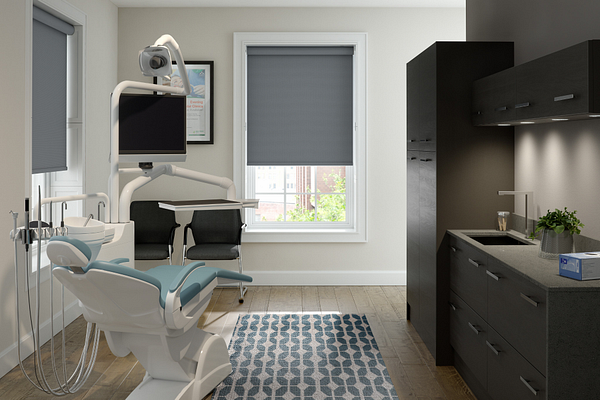
Ask to see finished samples where you can. The difference between two proposals often becomes clear when both fabrics are held against the same window. For a Bowling Green business renovating in phases, ask how to record the fabric, finish, and control selections for the next group of rooms and whether the same choices are expected to be available.
Start With One Problem Window
If you can identify the window that interrupts meetings most often, start there. Take a photo of the opening when glare appears, then take one from the seat where the reflection is most noticeable. If privacy is the higher priority, take the second photo from the corridor or another public viewing point with the meeting room illuminated. These examples help your consultant understand how much control you need and whether the surrounding windows can use a lighter fabric.
Guyer Shade Pros can help you compare window shades for conference rooms in Bowling Green, KY, and the surrounding area. Bring your questions about window orientation, fabrics, operation, and how the proposed shades will fit the room. If you have several offices to cover, start with the room that has the widest range of uses.
Call Guyer Shade Pros at (270) 535-6356 or visit Guyer Shade Pros to schedule a consultation for your Bowling Green commercial space and receive a customized quote. For a separate residential window treatment project, schedule a complimentary in-home consultation to receive a customized quote for your home.

Comments