
Best Window Treatments for Sliding Glass Doors in Bowling Green, KY

Sliding glass doors bring daylight, outdoor views, and convenient access to patios and backyards. They also present a unique window treatment challenge. Unlike a window that stays closed most of the time, a sliding door needs a covering that works around frequent movement, a wide glass opening, and changing privacy needs.
Choosing the best window treatments for sliding glass doors starts with understanding how you use the doorway. A shade that looks beautiful when lowered may become inconvenient if it blocks the handle or needs to be raised every time someone steps outside. The right choice balances appearance with everyday access.
For homeowners throughout the greater Bowling Green, KY area, Guyer Shade Pros offers a variety of custom window treatments, including Roller & Solar Shades, Cellular Shades, Plantation Shutters, Roman Shades, Natural Shades, Layered Shades, Sheer Shades, Blinds, and exterior shades.
Whether your sliding doors connect to a covered patio or face an open backyard, a professional consultation can help you compare suitable options. Here is what to consider before selecting a window treatment for one of your home’s busiest openings.
Start With How You Use Your Sliding Door
Some sliding doors serve as the main route to an outdoor living area. Others provide occasional access but function primarily as a large source of natural light. That difference should influence your window treatment selection from the beginning.
The best window treatments for sliding glass doors should support the way people move through your home. If family members use the doorway throughout the day, easy access may take priority over having one continuous shade across the entire opening.
Start by identifying which panel slides and which remains stationary. Notice where the handle sits, how far it projects, and whether nearby trim limits mounting space. These details affect how a window covering can be installed and operated.
Also consider how often you want the glass covered. A door facing a neighboring property may need frequent privacy adjustments, while one overlooking a secluded yard may remain uncovered for much of the day.
During your consultation with Guyer Shade Pros, describe a typical day rather than focusing only on your preferred appearance. Explain when you open the door, when sunlight becomes uncomfortable, and when privacy matters most. Those observations help connect the product selection to your actual routine.

Consider Roller Shades for a Clean Appearance
Roller shades offer a simple profile that can work well with sliding glass doors. When raised, the fabric rolls above the opening, allowing access to the glass and doorway. When lowered, the material creates a consistent surface across the covered area.
For homeowners comparing the best window treatments for sliding glass doors, roller shades are worth considering when a streamlined appearance is a priority. They can complement contemporary interiors without introducing a heavily layered look around a large opening.
Fabric selection makes a substantial difference. Some materials soften daylight, while opaque options provide stronger visual privacy and light blocking through the fabric. The appropriate choice depends on the room and the direction the doors face.
The main practical question is how the shade will interact with daily access. A single shade spanning the entire opening generally needs to be raised enough to clear the passage before the door is used.
Depending on the opening and available products, separate shades may provide more flexible coverage. That arrangement requires careful attention to mounting positions and the gap between fabrics.
Guyer Shade Pros can evaluate the doorway and discuss whether a roller shade configuration makes sense for the available space, desired coverage, and frequency of use.
Choose Solar Shades When Daylight and Views Matter
A sliding glass door can introduce more sunlight than a smaller window, particularly when the glass faces an exposed outdoor area. Solar shades offer a way to filter that light while preserving varying degrees of outward visibility.
When evaluating the best window treatments for sliding glass doors, solar fabrics can appeal to homeowners who want to manage brightness without completely covering their backyard view. Their woven construction allows some light to pass through the material.
Different openness levels create different visual effects. A more open weave generally offers a less restricted view, while a tighter weave creates a more enclosed appearance. Fabric color and lighting conditions also influence what you see through the shade.
Privacy needs deserve a separate discussion. Standard solar fabrics should not be relied upon for nighttime privacy, especially when indoor lighting is brighter than the exterior.
For a Bowling Green home with sliding doors near a frequently used seating area, compare samples against the actual glass. Look at both the daylight entering the room and the view through the fabric.
Explain whether your main concern is afternoon brightness, preserving visibility, or covering the glass after sunset. A solar shade may address some of those goals well, while another fabric may be more appropriate when privacy takes priority.
Explore Cellular Shades for Flexible Light Control
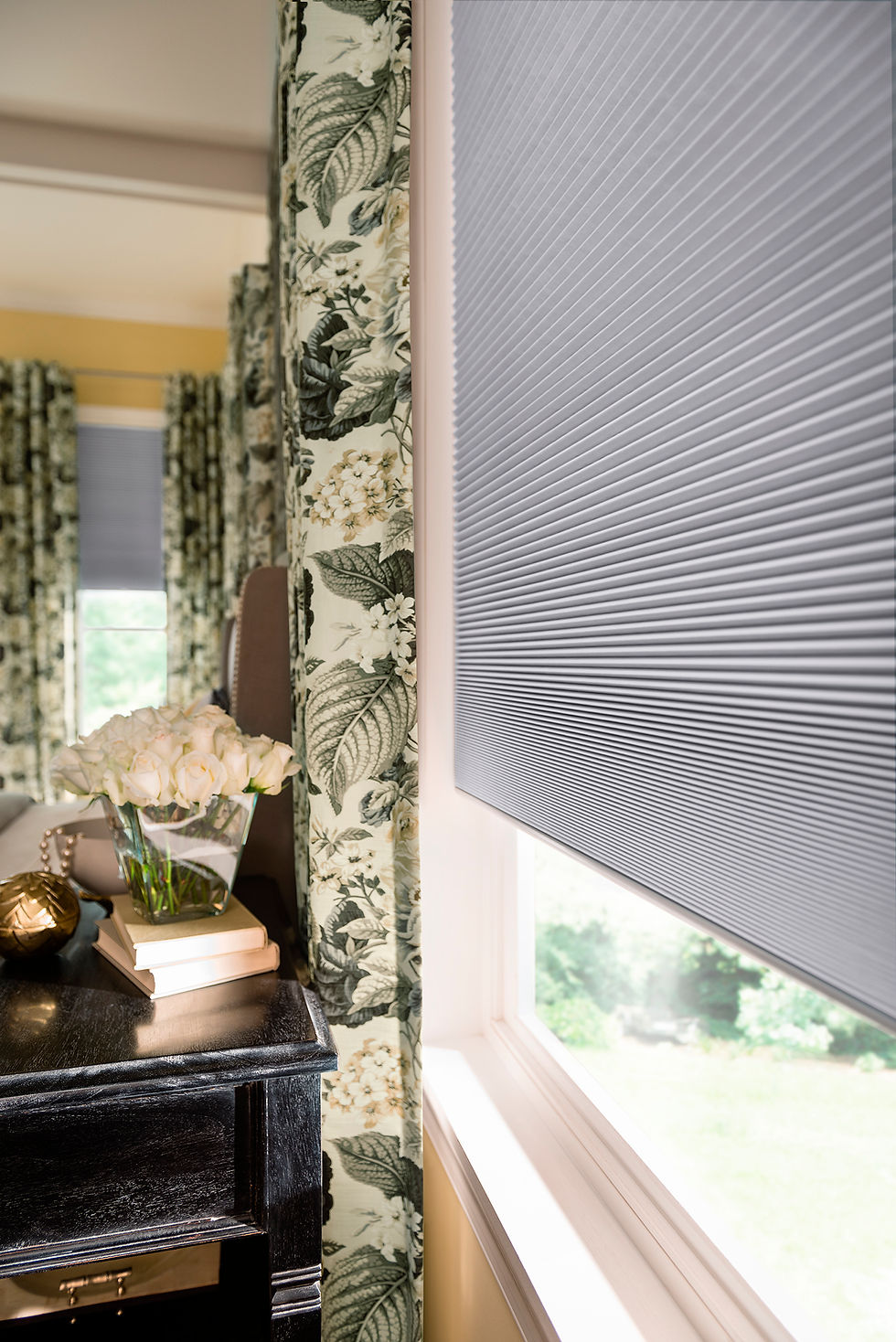
Cellular shades have a distinctive construction that creates pockets within the material. Their soft appearance can provide an alternative to a flat roller fabric, and different materials offer different levels of light filtering and opacity.
The best window treatments for sliding glass doors may include a door-compatible cellular system, provided the selected product is designed for the opening. Not every cellular shade configuration is suitable for a wide, frequently used doorway.
Ask how the proposed system operates and where the material collects when opened. Some door applications use a side-to-side configuration, while other arrangements operate vertically. Product availability and installation requirements determine what is appropriate.
Light-filtering fabrics can soften daylight, while more opaque materials offer greater light reduction. Samples help illustrate the difference, particularly when viewed against a large glass surface.
Also discuss how much of the opening remains covered when the shade is fully retracted. The space occupied by the collected material can affect both the view and the usable passage.
For homeowners in greater Bowling Green, a consultation provides an opportunity to compare these practical details before ordering. The goal is to find a configuration that offers the desired appearance while working comfortably around the door’s movement and everyday use.
Ask About Plantation Shutters Designed for Doors
Plantation shutters create a structured appearance with adjustable louvers. For sliding glass doors, however, the configuration matters as much as the shutter style. The installation must allow the door to function while providing enough clearance for panels, louvers, and hardware.
Homeowners researching the best window treatments for sliding glass doors sometimes prefer shutters because they want adjustable light control and an architectural finish. A suitable door application may use bypassing or folding panels, depending on the product and available space.
These systems require careful planning. Panels need somewhere to move, and their position can affect how much glass remains visible when opened. Handles and projecting trim must also be considered.
Ask to see how the proposed arrangement would operate across your specific doorway. Discuss whether the panels can be positioned conveniently during frequent trips outside and whether their movement conflicts with nearby features.
The louver position also affects privacy and visibility. Tilting the louvers provides different sightlines from fully closing them, so evaluate the angles that matter from both inside and outside.
Guyer Shade Pros offers Plantation Shutters and can discuss whether an appropriate configuration is available for your sliding door. The recommendation should account for the opening’s dimensions, surrounding clearance, and the way your household uses the space.
Compare Blinds According to Their Direction of Travel
Blinds can provide adjustable light control while offering a different appearance from fabric shades. For a sliding glass door, the direction in which the covering opens can make a meaningful difference in convenience.
When comparing the best window treatments for sliding glass doors, ask whether a suitable blind system can open in a direction that works with the door’s active panel. A covering that moves away from the passage may be easier to manage than one that must be lifted across the full opening.
However, suitability depends on the specific product. A blind designed for an ordinary window should not automatically be assumed appropriate for a large door.
Discuss how the material stacks when opened, how much space it occupies, and whether the operating mechanism remains easy to reach. Also consider what happens when the door is open and air moves through the doorway.
The appearance of the individual elements matters too. View samples at a scale that helps you picture the complete opening rather than judging only a small piece of material.
Because Guyer Shade Pros offers Blinds, your consultation can include a discussion of available options and their compatibility with your door. Confirm the actual system, operating method, and installation details before making a final decision.
Decide How Much Privacy You Need
Privacy requirements vary significantly between properties. A sliding door overlooking a private backyard presents a different situation from one facing another home, a shared walkway, or a nearby street.
The best window treatments for sliding glass doors should address those specific sightlines. Start by identifying who can see the glass and from what direction. A direct view from a neighboring patio may require different coverage from a distant view across an open yard.
Think about privacy after sunset as well as during daylight. Materials that appear difficult to see through in the afternoon may become more transparent when the room is illuminated at night.
Opaque fabrics can provide a solid visual barrier across the material, but edge coverage still matters. Gaps at the sides or between separate shades can leave portions of the glass exposed.
During a consultation, explain whether you want complete coverage whenever the treatment is closed or simply a softer view into the room. Those are different goals.
For Bowling Green homeowners, evaluating privacy at the actual doorway helps prevent surprises. The right recommendation should account for fabric opacity, mounting position, neighboring sightlines, and the lighting conditions under which you expect to use the covering.
Understand Light Filtering and Blackout Options
Light control is not an all-or-nothing decision. Some homeowners want to soften bright daylight while keeping a room naturally illuminated. Others want stronger light reduction for television viewing or greater privacy in the evening.
Selecting the best window treatments for sliding glass doors means distinguishing between light-filtering fabric and blackout fabric. Light-filtering materials allow some illumination through the surface. Blackout materials are opaque, but that does not mean the entire room becomes completely dark.
Light may still enter around the sides, above the treatment, or between adjoining coverings. Sliding doors can make those details especially noticeable because of their size.
If greater darkness is important, discuss the complete installation rather than focusing only on the fabric description. Wider coverage or compatible accessories may improve performance, depending on the selected product and available mounting surfaces.
Also consider whether you need the same level of coverage throughout the day. A room that benefits from daylight most of the time may not need its glass covered with an opaque material during every use.
Guyer Shade Pros can help you compare appropriate samples and explain the expected result. Establishing realistic light-control goals before ordering makes it easier to choose a treatment that performs as anticipated.
Plan for One Covering or Separate Sections
A large sliding door can sometimes be covered with one treatment, while other installations use multiple sections. Each approach has practical advantages and limitations that should be considered before choosing the final arrangement.
The best window treatments for sliding glass doors often depend on whether you want to adjust the active door panel independently. Separate coverings may allow one section to remain lowered while another opens for access, where product dimensions and mounting conditions permit.
A single covering creates a more continuous appearance across the opening. However, it may require a larger adjustment whenever someone uses the door.
Multiple sections introduce additional edges and potentially visible gaps. Their alignment, operating positions, and appearance when partially opened should be reviewed carefully.
Ask where each section will begin and end. The frame divisions in the glass may offer a visual reference, but the proposed mounting arrangement must also accommodate brackets, fabric widths, and operating hardware.
For a Bowling Green home with a frequently used patio door, convenience may justify a divided configuration. For a less frequently used opening, a continuous treatment may be more appealing.
There is no universal answer. The appropriate arrangement depends on access, privacy, product limitations, and your preferences for how the doorway looks throughout the day.
Make Sure the Door Handle Has Clearance
Door handles are easy to overlook when comparing colors and fabrics, yet they can determine whether a treatment operates smoothly. A projecting handle may interfere with a lowered shade or require the covering to sit farther from the glass.
For that reason, the best window treatments for sliding glass doors are selected with the entire opening in mind. Measurements should include the handle, frame, trim, and any other projections that could affect movement.
Inside mounting may create a compact appearance, but the available depth must be sufficient for the chosen product. Outside mounting may offer a more suitable position when the recess is shallow or additional coverage is needed.
The mounting surface also needs to support the specified hardware. A professional assessment helps determine the appropriate installation approach rather than relying on approximate dimensions.
Ask how the treatment will clear the handle when lowered and whether its bottom edge can move without catching. For panel systems, review clearance in both open and closed positions.
These details are particularly important when changing from an existing covering to a different style. A previous installation does not necessarily establish that every new product will fit in the same place or operate with the same clearance.
Coordinate Sliding Door Treatments With Nearby Windows
Sliding doors often share a room with smaller windows. Coordinating their treatments can create a consistent appearance, but identical products are not always the most practical choice for different openings.
The best window treatments for sliding glass doors should work with the door first, then coordinate with nearby windows through suitable colors, textures, and finishes. That approach allows each covering to serve its opening without making the room feel disconnected.
For example, a streamlined door treatment may pair with another shade style in a related color. Alternatively, using compatible materials across several openings can create continuity while allowing different operating arrangements.
Guyer Shade Pros offers Roman Shades, Natural Shades, Layered Shades, Sheer Shades, Cellular Shades, Roller & Solar Shades, Plantation Shutters, and Blinds. A consultation can explore which combinations are appropriate for the actual windows and doors involved.
Review samples together rather than selecting each covering in isolation. Similar colors can look different when one fabric is illuminated from behind and another is mounted against a less exposed window.
Also discuss the appearance of visible hardware. Coordinated finishes and thoughtfully chosen mounting positions can help connect the treatments even when their construction differs. The result should feel intentional while preserving convenient access to the sliding door.
Think About Daily Operation and Maintenance
A sliding door treatment needs to remain manageable after installation. Frequent adjustments, routine cleaning, and repeated use all influence how satisfied you will be with the selection over time.
When choosing the best window treatments for sliding glass doors, consider who will operate them and how easily everyone can reach the controls. A covering that requires an awkward adjustment may be inconvenient on a doorway used several times daily.
Ask how the proposed system moves and what position it should be in before opening the door. Also discuss whether the treatment needs to be secured or fully retracted while the doorway is in use.
Maintenance requirements vary by material. Some surfaces can be dusted using methods that would not be appropriate for more delicate fabrics. Follow the manufacturer’s care instructions rather than assuming every covering can be cleaned the same way.
For homes with frequent backyard traffic, consider how close the material will sit to the passage and how easily it can be kept clear of everyday contact.
A professional consultation should include these practical questions. The ideal treatment is one you can operate comfortably and maintain according to its instructions, with an arrangement that continues to make sense as part of your daily routine.
Compare Customized Quotes by What Is Included
The cost of a sliding door treatment depends on more than the style name. Dimensions, material selections, mounting requirements, operating components, and the number of sections all affect the proposed project.
Comparing the best window treatments for sliding glass doors becomes easier when quotes clearly explain those details. Two estimates may describe similar products while offering different coverage, hardware, or installation arrangements.
Review the selected fabric or material, the proposed mounting position, and the expected operation. Confirm whether installation is included and whether any additional components are required.
If privacy or stronger light reduction is a priority, make sure the proposal addresses those goals. A lower price may reflect a different scope rather than a directly comparable solution.
For Bowling Green homeowners replacing treatments on several openings, identify which windows and doors are included in each estimate. That helps prevent confusion when comparing a complete room project with a quote for the sliding door alone.
Professional measurements provide a stronger foundation for a customized quote than approximate dimensions. They allow the recommendation to reflect the actual opening and help identify potential clearance issues before an order is placed.
Choose according to the complete fit, expected performance, appearance, and everyday convenience of the proposed treatment.

Schedule Your Complimentary Consultation With Guyer Shade Pros
Your sliding glass door should remain convenient to use while providing the light control, privacy, and appearance you want. Achieving that balance starts with a treatment selected for the opening rather than assuming that any large window covering will work.
The best window treatments for sliding glass doors depend on your priorities. Roller shades offer a streamlined profile. Solar shades filter daylight while preserving varying degrees of view. Suitable cellular systems, shutters, and blinds may provide other ways to manage coverage and access.
Guyer Shade Pros serves homeowners throughout the greater Bowling Green, KY area and can help you compare options for your specific doorway. A consultation provides an opportunity to review materials, discuss daily use, evaluate mounting conditions, and determine an appropriate configuration.
Bring your questions about privacy, afternoon sunlight, door clearance, and coordination with nearby windows. Clear goals make it easier to narrow the choices and understand the proposed result.
Schedule a complimentary in-home consultation to receive a customized quote. Call (270) 535-6356, or visit https://www.guyershadepros.com/window-treatment-blog to schedule a consultation with Guyer Shade Pros and explore window treatments suited to your sliding glass doors.


Comments