
How to Choose Shades for an Office Building: A Complete Guide for Bowling Green, KY Businesses

Choosing the right window shades for an office building is an important decision that affects how employees experience their workspace every day. Commercial window treatments help manage sunlight, reduce glare on computer screens, provide privacy, and create a consistent, professional appearance throughout a building.
However, not every office has the same requirements. A conference room may need room-darkening shades for presentations, while an open workspace may benefit from solar shades that filter sunlight without completely blocking the view outside. Executive offices, reception areas, and shared workspaces may each require different levels of light control.
Understanding how to choose shades for an office building begins with evaluating the building's windows, the activities taking place inside, and the specific performance characteristics of different window shade materials.
For businesses throughout Bowling Green, Kentucky, Guyer Shade Pros offers custom window treatment options designed to accommodate a wide range of commercial environments. From roller and solar shades to cellular, layered, and Roman shades, businesses can explore solutions that complement their building's layout and daily operations.
Whether you're selecting window coverings for a newly constructed office, renovating an existing commercial property, or replacing outdated window treatments, this guide will help you understand the factors that matter most.
Start by Evaluating Your Office Building's Window Treatment Needs
Before comparing shade styles or fabric samples, consider how the windows throughout your building affect the people working inside.
Commercial buildings often have multiple window orientations, different room layouts, and varying privacy requirements. Choosing the same window treatment for every room without considering these differences may result in unnecessary compromises.
The first step in learning how to choose shades for an office building is identifying the specific challenges your window treatments need to address.
Identify Areas With Excessive Sunlight
Walk through your office during different times of the day and observe how sunlight enters each room.
Pay particular attention to windows that receive direct sunlight during normal business hours.
East-facing windows often experience stronger morning sunlight, while west-facing windows may receive intense afternoon exposure. South-facing windows can receive substantial sunlight throughout the day, depending on the season and surrounding structures.
These conditions can influence which shade materials will provide the most effective light control.
For example, an office with large west-facing windows may benefit from solar shades with a tighter fabric weave, while a north-facing workspace receiving mostly indirect daylight may need less aggressive filtering.
Determine Where Privacy Is Necessary
Not every office window requires the same level of privacy.
Conference rooms, executive offices, and ground-floor workspaces may need window coverings that limit visibility from outside.
Reception areas and upper-level offices may prioritize natural light and exterior views instead.
Identifying privacy requirements before selecting fabrics helps prevent choosing materials that do not perform as expected.
Consider How Employees Use Each Space
The activities taking place inside a room should influence its window treatments.
An office where employees work on computers throughout the day may require glare-reducing shades.
A training room used for projected presentations may need room-darkening materials.
A reception area may benefit from light-filtering shades that soften incoming daylight while maintaining a welcoming appearance.
Matching shade performance to room function creates a more practical commercial window treatment plan.
Understand the Different Types of Shades for Commercial Offices
Office window shades are available in several styles, each with different operating characteristics and light-control capabilities.
When researching how to choose shades for an office building, comparing these options helps narrow your choices based on your building's needs.
Roller Shades: Streamlined and Versatile
Roller shades are among the most versatile window treatment options for commercial offices.
They consist of a fabric panel that rolls around a tube mounted at the top of the window.
When lowered, the shade creates a continuous surface across the glass. When raised, the material rolls neatly into a compact position.
This simple design works particularly well in offices with modern interiors, large windows, and multiple workspaces requiring a coordinated appearance.
Roller shades are available in different fabric opacities, including light-filtering, solar-filtering, and room-darkening materials.
They can be suitable for:
Open-plan offices
Individual workstations
Conference rooms
Reception areas
Administrative offices
Professional suites
Depending on the product selected, roller shades may also be available with motorized operation.
Solar Shades: Designed for Sunlight and Glare Control
Solar shades are a type of roller shade made with specialized fabrics designed to filter incoming sunlight.
These shades are particularly useful in commercial buildings where large windows create excessive brightness or reflections on computer screens.
Solar fabrics are available in different openness factors, which describe the approximate amount of open space within the fabric weave.
A lower openness percentage generally provides stronger filtering and reduced exterior visibility, while a higher percentage allows more visibility and light transmission.
For example, a 1% or 3% openness fabric may be considered for windows experiencing significant direct sunlight.
A 5% openness fabric may offer a balance between glare reduction and exterior visibility.
Actual performance depends on the specific material, fabric color, and window conditions.
Cellular Shades: An Option for Additional Insulation
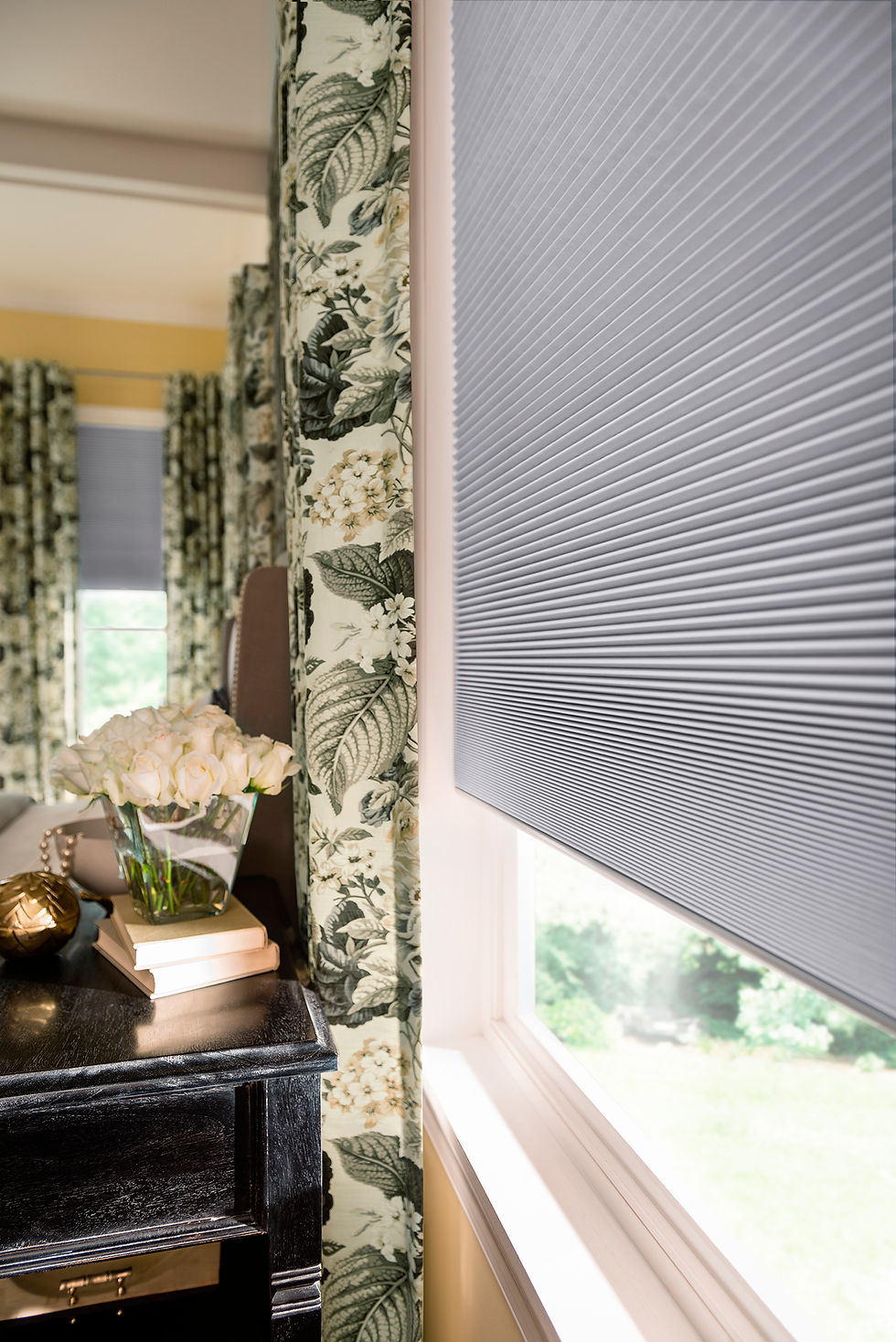
Cellular shades feature a distinctive honeycomb construction that creates air pockets within the material.
These pockets can help reduce heat transfer through the window area, depending on the product and installation.
Cellular shades may be worth considering for offices where temperature management and light control are both priorities.
They are available in different opacity levels, including light-filtering and room-darkening options.
Their appearance is different from the smooth surface of a roller shade, making them a useful alternative for certain professional environments.

Roman Shades: A Softer, More Decorative Appearance
Roman shades create horizontal folds as the fabric is raised.
They offer a more tailored, fabric-focused appearance than standard roller shades.
Roman shades may be suitable for executive offices, reception areas, professional suites, and other spaces where a softer window treatment style is preferred.
The available fabrics and operating systems should be evaluated based on the room's functional requirements.
Layered and Sheer Shades: Adjustable Light Control
Layered shades use alternating sections of opaque and sheer material to adjust the amount of light passing through the window.
Sheer shades offer another approach to diffusing daylight while maintaining a softer appearance.
These styles may be appropriate for offices where adjustable light filtering and visual presentation are important.
However, businesses should evaluate privacy performance carefully, particularly for ground-floor windows or spaces used after dark.
Choose the Right Shade Opacity for Each Room
Fabric opacity is one of the most important factors in commercial window treatment selection.
It determines how much light passes through the shade and influences visibility through the material.
Understanding how to choose shades for an office building requires distinguishing between solar, light-filtering, room-darkening, and blackout fabrics.
Solar-Filtering Fabrics
Solar fabrics reduce incoming sunlight while allowing varying degrees of outward visibility.
They are often appropriate for offices where employees want to maintain exterior views without experiencing excessive glare.
The amount of visibility depends on fabric openness, color, and lighting conditions.
Light-Filtering Fabrics
Light-filtering materials soften natural daylight while limiting direct visibility through the window.
They can create a more evenly illuminated workspace without fully darkening the room.
These fabrics may be useful for reception areas, administrative offices, and spaces where privacy is desirable but complete darkness is unnecessary.
Room-Darkening Fabrics
Room-darkening materials substantially reduce the amount of light entering through the shade.
They are useful for conference rooms, presentation areas, and other spaces where bright sunlight may interfere with screens or projected images.
The level of room darkening depends on the material and installation.
Blackout Fabrics
Blackout fabrics are designed to prevent light from passing through the fabric itself.
However, a standard blackout roller shade may still allow light around its edges.
For spaces requiring greater darkness, additional components such as side channels may be necessary.
The appropriate solution depends on the room's specific requirements.
Prioritize Glare Reduction for Computer Workstations
Computer glare is a common concern in office environments with large windows.
Direct sunlight can create reflections on monitors, making screens difficult to read during certain times of the day.
Employees may respond by closing existing blinds completely, reducing natural light throughout the workspace.
Selecting shades that filter harsh sunlight while maintaining useful daylight can provide a more balanced approach.
When considering how to choose shades for an office building, evaluate the relationship between windows, workstations, and the direction of incoming sunlight.
Match Fabric Openness to Sun Exposure
A solar shade with a tighter weave generally provides stronger filtering than one with a more open construction.
For windows receiving intense direct sunlight, lower openness fabrics may be worth considering.
For areas where exterior views are a priority, a more open fabric may be suitable.
Rather than selecting a single openness factor for the entire building, consider whether different window exposures require different materials.
Consider Window Orientation
West-facing windows may create glare during afternoon working hours.
East-facing windows can cause similar problems earlier in the day.
South-facing windows may receive sustained sunlight during certain seasons.
Evaluating each orientation helps determine which fabrics provide appropriate filtering.
Account for Desk Placement
Workstations positioned directly in front of or opposite windows may experience different glare conditions.
A shade that works well in one office may not provide the same results in another.
Reviewing the actual workspace layout can help guide fabric selection.
Consider Privacy During Both Daytime and Evening Hours
Privacy is especially important for commercial offices located at street level or near neighboring buildings.
However, some shade fabrics behave differently depending on the lighting conditions.
A solar shade that provides limited visibility from outside during daylight hours may become easier to see through after sunset when interior lights are on.
This distinction is important when evaluating how to choose shades for an office building, particularly for businesses operating beyond standard daytime hours.
Ground-Floor Office Windows
Offices facing sidewalks, parking areas, or neighboring properties may require materials that restrict outside visibility.
Light-filtering or opaque roller shades may be preferable to open-weave solar fabrics when dependable privacy is necessary.
Conference Rooms
Meeting rooms may require additional privacy for presentations, internal discussions, or client meetings.
Depending on the window location, room-darkening or opaque shades may provide more appropriate coverage.
Executive and Private Offices
Private offices often benefit from independently operated shades that allow occupants to adjust coverage as needed.
Fabric selection should account for both daylight and evening privacy requirements.
Shared Office Areas
Open-plan offices may prioritize natural light and exterior views.
Solar shades can be useful in these environments when complete privacy is not required.
A coordinated combination of fabrics may provide the best overall solution throughout the building.
Evaluate Energy Efficiency and Solar Heat Control
Commercial buildings with extensive windows may experience significant solar heat gain.
Sunlight passing through the glass can warm interior surfaces, particularly in areas with strong afternoon exposure.
Certain window shades can help reduce incoming solar radiation and contribute to improved temperature management.
For Bowling Green businesses evaluating how to choose shades for an office building, solar performance may be an important consideration alongside glare control and appearance.
How Solar Shades Manage Heat
Solar shade fabrics can absorb, reflect, or transmit different amounts of solar energy.
The balance between these characteristics varies by material.
Fabrics designed for solar control may help reduce the amount of direct sunlight entering an office.
However, not all solar shades offer identical performance.
Review Manufacturer Performance Specifications
When solar heat management is a priority, businesses should compare documented fabric characteristics.
Relevant specifications may include solar reflectance, transmittance, and absorption.
These measurements provide more useful information than relying on fabric color or openness alone.
Understand the Limitations of Interior Shades
Interior shades can help manage sunlight, but their effect on overall energy consumption depends on the building.
Window glazing, insulation, climate-control systems, and operating schedules all influence potential savings.
Commercial property managers should consider shade performance as one component of the building's overall window system.
Decide Between Manual and Motorized Office Shades
The operating system is another important consideration when choosing commercial window treatments.
Manual shades are often practical for accessible windows that require occasional adjustment.
Motorized shades may be more convenient for large window groups, high-mounted windows, or rooms where shades are frequently repositioned.
Understanding how to choose shades for an office building includes determining which operating method is appropriate for each location.
Manual Shade Operation
Manual shades typically use a compatible operating mechanism to raise and lower the fabric.
They may be suitable for individual offices, smaller window groups, and accessible windows.
Operating options vary by product and manufacturer.
Motorized Shade Operation
Motorized shades use a powered mechanism to control movement.
Depending on the selected system, shades may be operated through wall controls, remotes, or compatible automation equipment.
Motorization can be particularly useful for large conference rooms, tall windows, and spaces with multiple shades.
Coordinated Shade Control
Some motorized systems allow multiple shades to operate together.
For example, shades across a conference room may be lowered simultaneously before a presentation.
Other systems may support separate control groups for different sections of a building.
Available features depend on the selected products and their compatibility.
Power Considerations
Motorized shades may use batteries, rechargeable systems, or hardwired power.
New construction projects may offer opportunities to plan electrical access before installation.
Existing offices may benefit from options that require less additional wiring.
A professional consultation can help determine which operating system is practical.
Match Window Shades to Different Office Spaces
Commercial buildings often contain rooms with very different lighting requirements.
Selecting window treatments based on each room's function helps create a more effective overall design.
One of the most practical aspects of how to choose shades for an office building is recognizing that different spaces may benefit from different materials while maintaining a coordinated appearance.
Open-Plan Offices
Open workspaces often contain multiple employees, computer monitors, and large window groups.
Solar roller shades may be appropriate when glare reduction and exterior visibility are priorities.
Separate shade controls can provide flexibility for areas receiving different amounts of sunlight.
Conference Rooms
Conference rooms may need adjustable light control for meetings and presentations.
Room-darkening or blackout fabrics may be appropriate for spaces using projection equipment.
The selected mounting method should also be considered if minimizing light gaps is important.
Reception Areas
Reception areas benefit from window treatments that maintain a professional appearance while managing incoming daylight.
Light-filtering roller shades, Roman shades, or other coordinating products may be suitable depending on the desired aesthetic.
Executive Offices
Executive offices may require a combination of privacy, glare control, and refined appearance.
Roller shades, cellular shades, or Roman shades can provide different options based on the space.
Training Rooms
Training rooms often use presentation screens and monitors.
Room-darkening shades may help reduce unwanted light during presentations.
Motorized operation may also be useful when multiple windows need frequent adjustment.
Shared Staff Spaces
Break rooms and other shared areas may benefit from durable, easy-to-operate shades that provide comfortable light filtering.
The appropriate fabric depends on the window exposure and desired privacy.
Choose Fabrics That Complement Your Office Building
Window shade appearance contributes to the overall visual consistency of a commercial property.
For buildings with many windows, fabric selection also affects how the exterior appears when shades are lowered.
Businesses should evaluate colors, textures, and materials alongside functional requirements.
Neutral Fabrics for a Coordinated Appearance
White, gray, beige, and other neutral shades can coordinate with a wide variety of commercial interiors.
They are frequently considered for offices where a consistent, understated appearance is desired.
Darker Fabrics for Solar Visibility
Darker solar fabrics may provide clearer outward visibility under appropriate daylight conditions.
However, performance varies by fabric construction and lighting.
Businesses should compare actual samples before making a final decision.
Textured Fabrics
Some roller shade collections include subtle woven textures that add visual interest without introducing prominent patterns.
These materials may work well in reception areas, executive offices, and professional suites.
Consistency Across Multiple Windows
Using coordinating fabrics and hardware can create a unified appearance throughout an office building.
Different opacity levels may still be selected where needed.
For example, a business might use coordinating solar and room-darkening fabrics in different rooms while maintaining a similar overall color palette.
Consider Window Size and Mounting Requirements
Commercial windows can be significantly larger than standard residential openings.
Some office buildings feature expansive glass walls, tall windows, or closely spaced window groups.
Window dimensions influence which shade products and operating systems are appropriate.
Businesses researching how to choose shades for an office building should account for installation requirements before finalizing fabric selections.
Inside-Mount Shades
Inside-mounted shades are installed within the window opening.
This can create a clean appearance when sufficient mounting depth is available.
However, window depth and hardware clearance must be evaluated.
Outside-Mount Shades
Outside-mounted shades are installed above or around the window opening.
They may provide additional coverage or accommodate windows that cannot support an inside mount.
This approach can also be useful when reducing light gaps is a priority.
Large and Wide Windows
Very wide windows may require specialized components or multiple adjacent shades.
Fabric width limits, shade weight, and operating hardware can affect available configurations.
A professional measurement helps determine suitable options.
High Windows
Windows positioned well above normal reach may benefit from motorized operation.
Mounting access and available support should be considered during planning.
Light Gaps
Standard roller shades generally have small gaps between the fabric and the sides of the window opening.
These gaps allow the shade to operate properly.
For rooms requiring substantial light reduction, specialized mounting accessories may be appropriate.
Select Durable Window Treatments for Commercial Use
Commercial shades may be operated frequently and must withstand routine use.
Durability is particularly important in shared spaces where multiple employees adjust the window treatments throughout the day.
When comparing materials, consider how often the shades will be used and what maintenance they require.
Fabric Maintenance
Cleaning recommendations vary by manufacturer and material.
Some fabrics can be maintained through regular dusting or gentle spot cleaning.
Others require specific cleaning methods.
Selecting materials appropriate for the office environment can simplify maintenance.
Operating Components
Shade mechanisms should be suitable for the size and weight of the selected fabric.
Larger commercial shades may require different hardware than smaller window treatments.
Commercial Material Specifications
Some commercial properties have requirements relating to flame resistance or other material characteristics.
These requirements depend on applicable building codes, occupancy classifications, and project specifications.
Businesses should confirm relevant requirements and review manufacturer documentation before ordering.
Long-Term Product Consistency
For multi-phase office projects, product availability may be an important consideration.
Fabric collections and hardware options can change over time.
Businesses planning future installations should discuss product consistency when selecting their initial shades.
Plan Window Shades Early for New Construction
New office construction provides opportunities to coordinate window treatments with the building's layout and finishing details.
Planning early may simplify installation and expand the available options for shade placement.
For new commercial projects in Bowling Green and Warren County, window treatment planning should account for mounting surfaces, window dimensions, and motorization requirements.
Coordinate Shade Locations
Architectural features such as recessed ceilings, window frames, and surrounding trim can influence mounting choices.
Identifying the preferred shade location early helps determine suitable hardware.
Consider Motorization Before Construction Is Complete
Hardwired motorized systems may require electrical planning.
Discussing these requirements before walls and ceilings are finished can help avoid unnecessary complications.
Review Window Exposure
Construction plans can help identify windows likely to receive substantial direct sunlight.
These areas may require stronger solar filtering than other parts of the building.
Establish Consistent Specifications
Larger projects benefit from documenting fabric selections, mounting methods, and operating systems for each room.
This helps maintain consistency throughout the installation.
Updating Window Shades in Existing Bowling Green Offices
Existing commercial buildings may have window treatments that no longer meet their functional needs.
Older blinds may provide insufficient glare control, while damaged or inconsistent shades can affect the building's appearance.
Replacing outdated coverings provides an opportunity to reconsider how each window should function.
Businesses evaluating how to choose shades for an office building during a renovation should begin by identifying which existing window treatments are no longer performing adequately.
Replace Problematic Window Coverings
Windows with excessive glare, limited privacy, or difficult-to-operate treatments may be the highest priority.
Addressing these areas first can help determine which products work best.
Evaluate Existing Mounting Conditions
Window frames, surrounding walls, and ceiling surfaces may affect installation options.
Measurements should account for existing construction and any obstructions.
Consider Coordinated Replacement
If different areas of the building have mismatched window treatments, selecting coordinating shades can create a more consistent appearance.
This may be particularly beneficial in buildings with multiple offices facing the same exterior elevation.
Plan Phased Installations Carefully
Some businesses prefer to replace window coverings in stages.
A coordinated product plan can help preserve consistency, although future fabric availability should be considered.
Understand What Influences Commercial Shade Pricing
The cost of custom office shades varies according to the project.
Window dimensions, fabric selections, operating systems, and installation conditions all affect pricing.
A small professional office may have very different requirements from a multi-floor commercial property.
Understanding how to choose shades for an office building also means balancing the desired features with the project's budget.
Window Dimensions and Quantity
Larger shades generally require more material and may need additional hardware.
The total number of windows also affects the project scope.
Fabric Type
Standard light-filtering materials, specialized solar fabrics, and room-darkening options may have different costs.
Commercial material specifications can also influence pricing.
Operating Systems
Motorized shades typically involve additional components compared with manual systems.
Power supplies and control equipment may affect the total cost.
Mounting and Installation Conditions
High windows, unusual openings, and specialized mounting requirements may add complexity.
Customization
Fabric choices, hardware finishes, and special operating requirements can influence the final quote.
A professional consultation provides an opportunity to review these factors and establish pricing based on the actual project.
Choosing Office Shades in Bowling Green and Warren County
Commercial properties throughout Bowling Green, Kentucky, vary in size, layout, and architectural style.
Professional offices in downtown Bowling Green may have different window configurations than newer commercial buildings along Scottsville Road or Nashville Road.
Understanding local building conditions and individual project requirements helps guide shade selection.
Downtown Bowling Green
Professional suites and commercial buildings in downtown Bowling Green may feature unique window sizes, existing architectural details, or street-facing glass.
Privacy, mounting flexibility, and consistent appearance may be important considerations.
Scottsville Road
Commercial properties along the Scottsville Road corridor may include offices with expansive front-facing windows.
Solar shades can be considered where sunlight and glare are significant concerns.
Campbell Lane and Nashville Road
Offices along Campbell Lane, Nashville Road, and surrounding commercial areas may require different combinations of solar filtering, privacy, and room-darkening materials.
The appropriate solution depends on the building's actual windows and how each room is used.
Greater Warren County
Businesses throughout the greater Bowling Green area, including surrounding communities such as Alvaton, Plano, and Oakland, can benefit from evaluating custom window treatments based on their individual building requirements.
Guyer Shade Pros serves the greater Bowling Green, KY area and offers a variety of shade styles for commercial window treatment projects.
Common Mistakes to Avoid When Choosing Office Shades
Selecting commercial window treatments without considering the building's functional requirements can lead to disappointing results.
Avoiding a few common mistakes can make the decision process more effective.
Choosing Based on Appearance Alone
A fabric may look attractive but provide insufficient glare control or privacy.
Evaluate performance characteristics alongside color and texture.
Using the Same Opacity Everywhere
Different rooms often have different lighting requirements.
A solar fabric suitable for an open office may not provide enough darkness for a presentation room.
Overlooking Nighttime Privacy
Some solar fabrics provide limited daytime visibility from outside but become more transparent at night.
Businesses requiring evening privacy should select appropriate materials.
Ignoring Window Orientation
East-, west-, south-, and north-facing windows can experience different sunlight conditions.
Fabric selection should reflect these differences.
Forgetting About Operating Convenience
Large or difficult-to-reach shades may be inconvenient to adjust manually.
Motorization may be worth considering for these locations.
Skipping Professional Measurements
Incorrect dimensions can affect shade coverage, appearance, and operation.
Accurate measurements are especially important for large commercial windows.

Frequently Asked Questions About Choosing Office Window Shades
What Are the Best Shades for an Office Building?
The best shades depend on the building's lighting, privacy, and design requirements.
Roller and solar shades are versatile options for many commercial offices.
Cellular shades, Roman shades, and other styles may also be appropriate for particular rooms.
What Shades Are Best for Reducing Computer Glare?
Solar roller shades are commonly considered for glare reduction.
The ideal fabric openness depends on the intensity of sunlight and the location of computer workstations.
Should Office Shades Be Light-Filtering or Blackout?
Light-filtering shades are suitable for many general workspaces.
Room-darkening or blackout materials may be more appropriate for conference rooms, training areas, and presentation spaces.
Can Office Shades Be Motorized?
Yes. Many commercial shade systems offer motorized options.
These may be useful for large windows, high installations, and coordinated control across multiple shades.
Are Solar Shades Private at Night?
Not necessarily.
Some solar fabrics become easier to see through from outside when interior lights are on after dark.
Businesses requiring nighttime privacy should consider more opaque materials.
Can Different Offices Have Different Shade Fabrics?
Yes. Different rooms can use fabrics with varying opacity levels while maintaining coordinating colors and styles.
This approach helps accommodate different lighting requirements throughout the building.
How Long Do Commercial Window Shades Last?
Lifespan varies according to fabric quality, operating components, frequency of use, installation conditions, and maintenance.
Selecting appropriate products and following manufacturer care instructions can support long-term performance.
Do Commercial Shades Need to Meet Special Requirements?
Some commercial projects have specific material or installation requirements based on applicable codes and building use.
Property managers and contractors should verify these requirements before selecting products.
How Can I Get a Quote for Office Shades in Bowling Green?
Contact Guyer Shade Pros to discuss your building's windows, shade preferences, and installation requirements.
A consultation can help identify appropriate products and provide the information needed for a customized quote.
Schedule a Complimentary Consultation With Guyer Shade Pros
Understanding how to choose shades for an office building comes down to matching the right window treatments with the needs of each workspace.
The ideal commercial shades should provide appropriate light control, accommodate privacy requirements, complement the building's appearance, and offer convenient operation.
For some offices, solar roller shades may provide the best balance of glare reduction and exterior visibility. Other spaces may benefit from cellular shades, room-darkening roller shades, or coordinating Roman shades.
Guyer Shade Pros helps customers throughout the greater Bowling Green, Kentucky area explore custom window treatment options for their specific projects.
Whether you're outfitting a new office building, renovating an existing workspace, or replacing outdated commercial window coverings, we're here to help you evaluate your options.
Schedule a complimentary in-home consultation, or arrange a professional on-site consultation for your commercial building, to receive a customized quote.
Call Guyer Shade Pros: (270) 535-6356
Serving Bowling Green, KY, and the surrounding greater Bowling Green area, Guyer Shade Pros offers roller shades, solar shades, cellular shades, Roman shades, layered shades, sheer shades, natural shades, blinds, plantation shutters, and exterior shades.
Find the right custom window shades for your Bowling Green office building with guidance tailored to your windows, workspace, and commercial window treatment needs.


Comments